
What Is Bargaining Power Of Suppliers And Why It Controls Prices
Every time someone buys an extremely expensive pair of cool shoes, there is a hidden battle happening completely behind the scenes. It is a brutal, muddy game of leverage. Figuring out exactly what is bargaining power of suppliers reveals who really controls the wild global market. In the harsh business world, a supplier is the smart person or company that sells the raw materials. A giant tech company desperately needs tiny microchips. A tiny neighborhood bakery heavily needs sweet sugar.
The people selling the little chips and the white sugar hold a huge lot of cards. If they decide to get super greedy, everything totally changes. This simple breakdown looks at exactly how sneaky suppliers use their muscle to squeeze extra money out of everyday businesses.
The Classic Tug Of War In Business
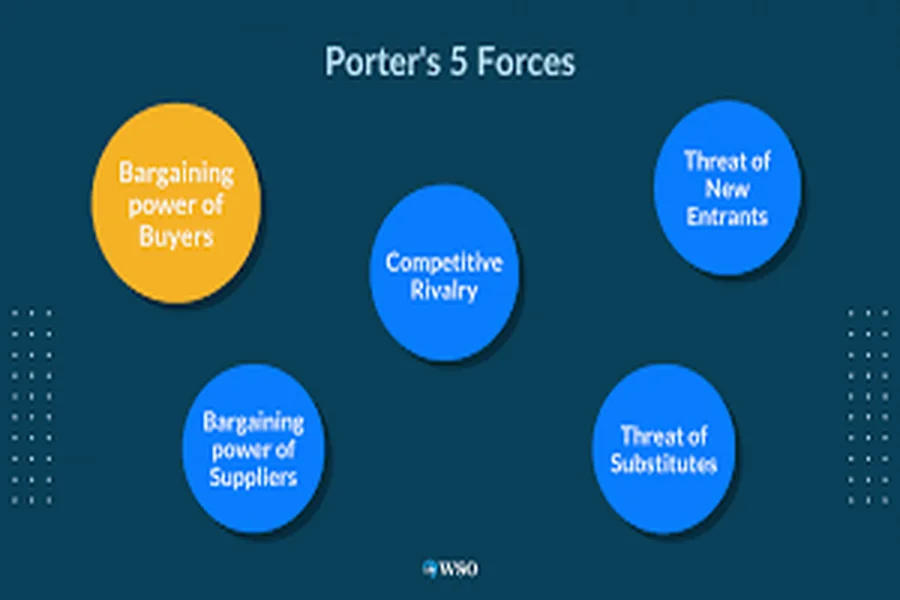
A super smart guy named Michael Porter invented a cool framework to study this hidden stuff. He totally called it the Five Forces. It sounds completely like a nerdy sci-fi movie, but it is just basic business strategy.
One of these massive, invisible forces is the raw power of the supplier. Porter realized that normal business is basically a giant, never-ending tug of war. The supplier absolutely wants to charge the highest price possible. The buyer desperately wants to pay the absolute lowest price. They pull and pull very hard.
Whoever has the biggest muscles easily wins the muddy tug of war. If the huge supplier is super strong, the small business buying the goods totally suffers. The business will make way less profit.
This basic idea is taught in absolutely every single business school on the planet. It completely pulls the heavy curtain back on reality. It clearly shows that normal companies are not always in total control of their own destiny. They are very often at the absolute mercy of the smart people selling them raw materials.
The Nightmare Of Having Only One Option
Supplier power goes completely straight through the roof when there are barely any sellers. Imagine a totally crazy scenario. Imagine only one single factory in the entire world knows how to make the clear glass for smartphone screens.
Every single famous phone brand would have to literally beg that one factory for glass. That solitary, quiet factory holds absolutely all the massive power. They can easily double the price on a random Tuesday just for fun. The panicked phone brands have to pay the wild new price or completely shut down.
This scary nightmare scenario is exactly why smart companies completely hate monopolies. They desperately want multiple options. If a single supplier starts acting like a giant bully, a smart business just walks away and buys from someone else.
But when there are totally no other options, the business is locked in a cage. Normal competition among different suppliers is the absolute only thing that keeps prices totally normal.
Here is exactly why dealing with a very tiny group of suppliers is a huge disaster:
- They raise their prices randomly without giving any warning.
- They get super lazy and let their product quality drop fast.
- They ignore angry phone calls and offer totally terrible customer service.
- They can cut off a small business completely if they get slightly angry.
The Painful Price Of Trying To Switch
Sometimes a smart business really wants to dump a highly toxic supplier, but they literally cannot afford it. This sneaky trap is called “switching costs.” It is a massive, throbbing headache.
Imagine a cute local coffee shop buys a super fancy, heavy espresso machine. This giant machine only accepts very specific water filters officially made by the exact same brand. If the busy coffee shop gets super mad at the rising filter prices, they are completely stuck. Switching suppliers means totally throwing away a ten-thousand-dollar espresso machine.
High switching costs secretly give bad suppliers a massive ego. They totally know their loyal customers are completely locked in a cage. The greedy supplier can slowly crank up the price year after year.
They know the poor business will just complain loudly and pay the bill anyway. Smart founders try really hard to fight this. They try to build totally new products using basic, very standard parts. They avoid locking themselves into wild, crazy contracts. They fight constantly to keep the back escape door wide open.
When The Supplier Is Just Too Massive
Total size matters a very huge deal in the supply chain. Sometimes, the quiet company selling the raw materials is a global, rich monster. Imagine a tiny mom-and-pop toy store trying to carefully buy cool action figures from a massive giant like Hasbro. The tiny local store desperately needs Hasbro to survive. Hasbro does not really care about the tiny little store at all. They have thousands of other huge customers.
This extreme size imbalance is brutally unfair. The small business totally cannot negotiate. They absolutely cannot demand a lower, fair price. They just have to sadly accept whatever terrible deal the giant supplier hands them.
This is the exact reason massive retail chains are so incredibly scary. Giant stores are so unbelievably big that they completely reverse the power. A huge store basically tells the massive suppliers exactly what to do. Most normal, everyday businesses never get to experience that kind of ultimate power.
The Constant Threat Of Becoming The Enemy
Suppliers secretly hold a very terrifying secret weapon. They can just completely decide to steal your entire business model. This highly aggressive move is called forward integration. It happens way more than normal people think.
Imagine a smart company that carefully grows incredible coffee beans. For long years, they just sell the raw beans in big burlap sacks to a famous local cafe. One sunny day, the rich bean grower totally realizes they could make way more money selling hot coffee directly to regular people. They open their own shiny cafe right across the busy street. Suddenly, the quiet supplier is the absolute biggest rival. The original cafe is totally panicking.
The sneaky bean grower can legally keep all the absolute best beans for themselves. They can totally sell their hot coffee much cheaper because they cut out the middleman. This constant, scary threat forces normal businesses to treat their heavy suppliers extremely well. Pissing off a good supplier might accidentally create a deadly, brand new competitor.
Holding The Keys To Rare And Secret Stuff
If a smart supplier controls something completely unique, they totally hold the ultimate trump card. Think deeply about the medical world.
A single, quiet research lab might legally hold the patent for a life-saving wonder drug. No one else is legally allowed to make it. Huge hospitals are totally forced to buy it directly from that one tiny lab. The quiet lab can easily set the price at absurdly high levels. Total uniqueness completely destroys the normal rules of fair pricing.
On the flip side, things are very totally different with boring, everyday items. Things like raw white sugar, basic table salt, or simple copper are totally called commodities.
Nobody cares exactly who made the salt. If one greedy salt supplier gets super annoying, a business just quickly calls a totally different salt guy. Being generic makes a supplier very weak. Being rare makes a supplier an absolute king.
Here are some real-world examples of highly unique, extremely powerful supplies:
- A totally secret, patented chemical formula.
- A very specific type of rich soil only found on one giant mountain.
- A highly secure, complex software program heavily used by global banks.
- Custom microchips totally designed for super fast military jets.
A Winning Strategy For Tomorrow
Understanding what is bargaining power of suppliers gives companies a fighting chance. Smart business owners totally cannot just put their tired heads in the sand.
They have to carefully map out their entire supply chain. They have to easily find solid backup suppliers. They have to carefully design products that completely do not rely on a single, super greedy vendor. Sometimes, they even have to slowly build their own huge factories to completely escape the sneaky trap.
By totally respecting these hidden forces, smart leaders smoothly keep their profit margins perfectly safe. It is a completely crazy chessboard, but deeply knowing the rules keeps a normal company alive for many decades.
FAQs
Can a really small company ever have power over a massive supplier?
Usually, no. However, sometimes hundreds of small companies totally group together to buy in huge bulk. This clever buying group can truly force a giant supplier to lower their high prices.
Is massive supplier power always a terrible thing?
Not always. A really strong, rich supplier can easily afford to deeply research totally new technologies. They can confidently provide incredible, high-quality raw materials that help everyone totally win.
How does a normal business actually lower a supplier’s raw power?
A business easily lowers power by finding multiple strong backup sellers. They also try heavily using totally generic parts, or just figuring out exactly how to build the raw materials themselves.
What exactly is a “commodity” in the crazy business world?
A commodity is a super basic, raw item that is exactly the same no matter who sells it. Yellow gold, crude oil, and basic white wheat are completely perfect examples.
Why does the idea of “switching cost” matter so very much?
If it is incredibly expensive or super painful to totally change to a brand new supplier, the current bad supplier can easily act like a big bully and raise prices without fear.