
Hair Loss Products vs. Men’s Hairpieces: My Biggest Regret
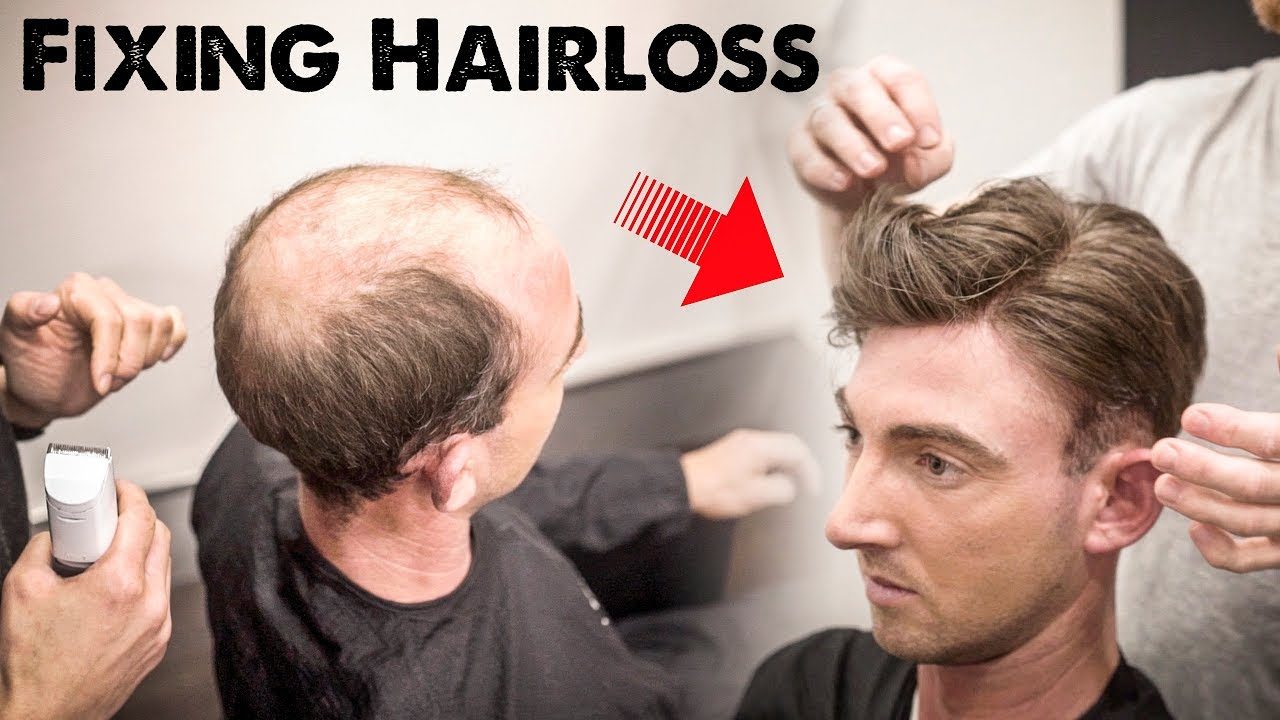
Wasting Thousands on Shampoos and Oils: Why I Wish I Bought a Hairpiece 3 Years Sooner
For years, my bathroom shelf looked like a hair-loss store.
There were shampoos marketed for thinning hair. Scalp oils. Serums. Thickening sprays. Supplements. Styling fibers. Special brushes. Products designed to make individual strands appear thicker.
Every purchase came with the same thought:
Maybe this is the one.
The problem wasn't necessarily that every product was useless. Some made my hair feel better. Others gave it temporary volume or made the thinning area slightly easier to disguise.
But none of them could give me the one thing I was actually trying to buy:
Hair where I no longer had enough of it.
Looking back, I spent years trying to solve a coverage problem with grooming products.
I wish I'd understood the difference sooner.
I Wasn't Really Shopping for Shampoo
At first, my routine seemed reasonable.
My hair was getting thinner, so I started buying products marketed toward thinning hair.
Then one shampoo became another.
I added oils because I'd read about scalp care. Then came serums, conditioners, thickening products, and styling products designed to make existing hair appear fuller.
Individually, none of these purchases felt particularly significant.
That's how the spending creeps up.
A bottle here. Another product a month later. Something new after watching a video or reading another article.
Over a period of years, repeatedly experimenting with products can become expensive.
More importantly, I eventually realized I was asking them to do something they weren't designed to do.
Hair Care and Hair Replacement Solve Different Problems
This distinction should have been obvious.
It wasn't.
Hair-care products can clean, condition, moisturize, or style existing hair depending on their formulation and intended use.
Some cosmetic products can also make existing hair temporarily appear fuller.
That's different from replacing missing coverage.
If your main concern is a visibly thinning crown, for example, making the remaining strands look slightly thicker may improve the appearance without completely covering the area.
The same applies to significant recession.
At some point, I needed to stop asking, "Which product should I try next?"
The better question was:
What result am I actually trying to achieve?
My answer was immediate visible coverage.
That's what changed the direction of my search.
Why I Kept Avoiding Hairpieces
I had considered hairpieces before.
I dismissed them almost immediately.
The word brought up an outdated picture in my mind: thick artificial-looking hair, an obvious edge, and something that could never pass as your own.
So buying another shampoo felt safer.
There was also a psychological difference.
Buying hair-loss products felt like I was still "working on" my natural hair. Looking at replacement hair felt like admitting that I might need a completely different solution.
That distinction kept me stuck longer than it should have.
Once I actually started researching modern systems, I realized my mental picture of a hairpiece was decades behind the products now available.
Modern Hairpieces Aren't Just Hair Sitting on a Cap
The biggest surprise was how many variables there were.
A men's hairpiece can be made with lace, thin skin, monofilament, or a combination of materials. Density can vary. Hair color can be matched. Gray can be incorporated. Different lengths and textures can be chosen.
Even the hair direction can affect the finished style.
Then there was the hairline.
I had assumed every replacement system would create a thick, obvious line across the forehead. Fine base materials and more carefully designed front sections made me reconsider that assumption.
Suddenly, this wasn't about wearing the stereotypical "toupee" I'd imagined.
It was about building a hairstyle around a replacement base.
The Biggest Difference Was Immediate Coverage
This was the point I had misunderstood for years.
I kept comparing hairpieces with hair-care products as if they were competing versions of the same solution.
They aren't.
A hair system doesn't need to make biological hair grow in order to change the visible appearance of hair loss.
It provides replacement hair.
That means the visual result can happen as soon as the system is fitted, cut, and styled.
For someone who has spent years checking the crown in photographs or rearranging the front to hide recession, that difference is enormous.
There isn't the same waiting period to see whether your appearance changes.
The coverage is there.
I Also Realized I Had Been Paying for Hope
This doesn't mean every shampoo, oil, or scalp product is a waste of money.
That's too broad a claim.
The mistake was my reason for buying them.
I wasn't purchasing shampoo simply because I needed clean hair. I was buying one after another because I hoped the next product would somehow solve the visual problem that bothered me.
That created a cycle.
Try something.
Wait.
Check the mirror.
Feel disappointed.
Research again.
Buy something else.
When viewed as isolated purchases, the cost didn't seem dramatic. Over years, however, repeated experimentation can become a meaningful expense.
Money wasn't the only cost either.
I spent a lot of attention on the problem.
Hair Fibers Worked—Until They Didn't
Hair fibers were different from shampoos because they actually addressed appearance.
When enough biological hair remained, they could make certain areas look denser.
But they also had limitations.
They needed existing strands to cling to, and the result depended on the size and location of the thinning area.
As my coverage needs increased, styling became more complicated.
I found myself thinking about lighting, weather, and whether the thin area was visible from behind.
That's when I started understanding why replacement hair might be the more direct approach for someone whose priority is coverage.
Instead of disguising the gaps between existing strands, you can replace the appearance of the missing hair itself.
TopUnique Hair Changed How I Thought About the Category
When I started looking seriously at hair systems, brands such as TopUnique Hair showed me how far the category had moved beyond the single image I'd associated with a toupee.
There wasn't just one generic hairpiece.
There were different base constructions, densities, colors, textures, and designs intended for different wearing priorities.
That variety made the decision more complicated, but it also made the concept more realistic.
I didn't need to find a universal "best hairpiece."
I needed to understand what would work with my remaining hair, preferred hairstyle, maintenance tolerance, and daily routine.
Once I started thinking that way, the category felt much less intimidating.
My First Concern Was: Will Everyone Know?
Probably the biggest barrier was fear of detection.
I imagined walking into work with dramatically thicker hair and everyone immediately staring at my head.
That concern influenced how I approached the change.
Instead of trying to create maximum density, I began thinking about consistency.
The replacement hair needed to make sense with the hair around my sides and back. The color had to match. The haircut needed to suit my face. The hairline couldn't look too young or too perfect.
I realized that "natural" didn't mean having the most impressive hair possible.
It meant avoiding contradictions.
If the side hair is relatively fine, the top shouldn't suddenly look extraordinarily dense.
That lesson mattered more than simply buying a premium system.
The Cut-In Matters More Than I Expected
A hairpiece isn't the finished hairstyle.
That was another misconception.
The replacement hair still needs to blend with the biological hair around it. Length has to be adjusted. Bulk may need to be removed. Layers and shape have to work with the intended style.
That's why the cut-in can make such a dramatic difference.
Put an uncut system on someone's head and it may immediately look like replacement hair.
After a good cut-in, the same system can look completely different because it finally belongs to the rest of the haircut.
This isn't a step I'd want to treat as an afterthought.
Hairpieces Have Costs Too
I don't want to replace one unrealistic promise with another.
Switching to a hairpiece doesn't mean you stop spending money on hair.
Systems eventually need replacing.
There may be costs for adhesive, tape, remover, shampoo, conditioner, styling products, professional cut-ins, or maintenance appointments depending on how you wear the system.
There is also a time commitment.
The base needs cleaning. The hair needs care. Attachment has to be maintained.
A shaved head will usually be much simpler.
So my regret isn't that I discovered a free or maintenance-free solution.
It's that I spent too long comparing products that solved different problems.
I Should Have Calculated the Annual Cost Earlier
If I could restart the process, I'd make a simple spreadsheet.
On one side, I'd list what I was spending each year trying to make thinning hair look better:
shampoos, oils, serums, fibers, supplements, styling products, and everything else I kept experimenting with.
On the other, I'd estimate the annual cost of wearing replacement hair.
That would include the systems themselves plus maintenance.
Then I'd compare something even more important:
What result does each approach actually provide?
The cheapest option isn't necessarily the best value if it doesn't produce the result you're trying to achieve.
Likewise, a hairpiece isn't good value for someone who doesn't want the maintenance that comes with wearing one.
Cost only makes sense when it's connected to the outcome.
Would I Tell Every Man With Hair Loss to Buy a Hairpiece?
No.
Some men genuinely love shaving their heads.
Others aren't particularly bothered by thinning hair.
Some may want to discuss evidence-based medical approaches with a qualified healthcare professional, particularly when hair loss is new, sudden, unusual, or accompanied by scalp symptoms.
A hairpiece serves a different purpose.
It's for someone who wants the visible appearance of hair without depending on new biological growth to create that appearance.
Once I understood that, the decision became much clearer.
The Three Years Were the Expensive Part
When I say I wish I'd bought a hairpiece three years sooner, I'm not really talking about one shampoo or one bottle of oil.
I'm talking about the cycle.
I kept purchasing products because doing something felt better than making a bigger decision.
Meanwhile, the actual thing bothering me hadn't changed: I wanted more visible hair coverage.
Once I separated hair care from hair replacement, everything became simpler.
Shampoo can clean hair.
Conditioner can help keep it manageable.
Styling products can change how it looks.
But when the problem you're trying to solve is missing coverage, it may be worth considering solutions designed specifically to provide coverage.
I wish I'd asked myself that question three years earlier.
Not, "What should I buy next?"
But:
"What am I actually trying to fix?"