How To Price An Online Course To Maximize Profits And Stop Guessing
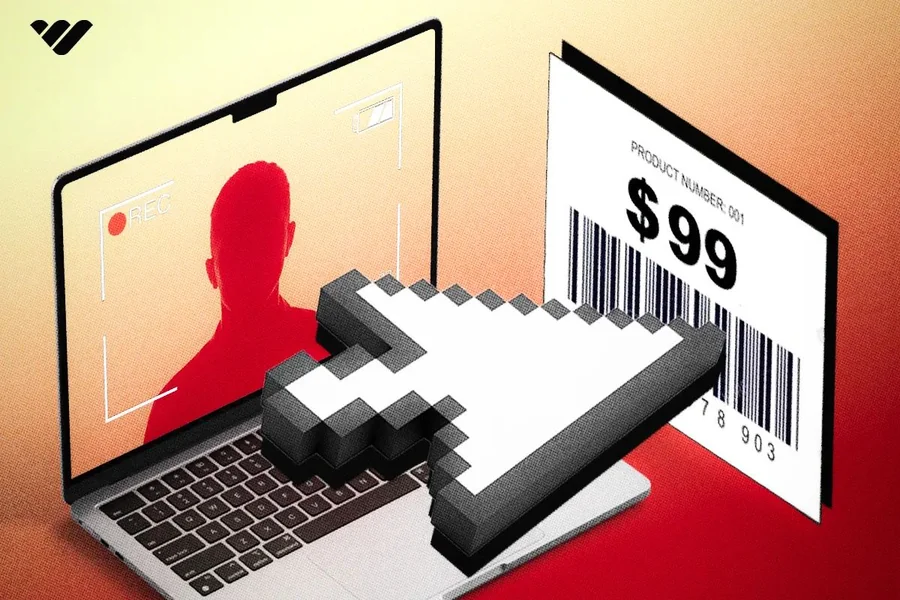
Figuring out how to price an online course terrifies almost every digital creator. They spend six agonizing months recording bright videos. They edit out all the awkward coughs and sneezes. They build shiny PDF workbooks. Then, they stare blankly at a screen trying to pick a number. A tired creator usually panics. They price the massive course at twenty dollars just to get a single sale. This is a truly tragic mistake. Pricing is a dark, fascinating psychological art. It is not just about covering basic server costs. The price tag tells the buyer exactly how much respect the creator has for their own brain. Finding the absolutely perfect number requires spying on the open market. It requires understanding human greed.
Research The Target Audience First
Selling a long course to a broke college kid is very different than selling to a rich corporate executive. A creator must deeply understand the physical wallet of the target audience. If the course teaches a highly fun hobby like knitting, the budget is inherently low. Hobbies do not generate actual income. A student might drop fifty bucks for a fun knitting class. They will absolutely not drop a thousand dollars.
But if the course teaches a hard skill that prints real money, the rules change completely. A deep course on real estate investing or software coding is a true investment. If a smart student spends five hundred dollars on a coding class, they might land a job paying six figures. A smart creator calculates this incredible return on investment. The creator then charges a heavy premium. A smart businessman like Kevin O’Leary Age 70 understands this math perfectly. A creator must run a quiet survey first. Asking a loyal email list what they currently spend on education prevents a catastrophic launch day failure.
Spy On Competitor Price Tags
Operating in a total vacuum is extremely dangerous. A creator needs to violently hunt down the direct competition. Look at five other exact courses teaching the exact same topic. The active market sets a silent baseline. If every single photography course costs roughly two hundred dollars, the loud market has spoken. Charging exactly ten dollars makes the new course look like an absolute scam. People naturally assume wildly cheap things are totally broken.
Charging two thousand dollars requires extremely serious justification. A creator cannot charge a massive premium for a few shaky iPhone videos. To beat the average price, the product must be undeniably superior. It needs crisp professional audio. It needs live weekly group calls. It needs massive bonus modules. A fresh beginner usually survives by picking a number right in the muddy middle. The middle is very safe. It does not scare anxious people away.
Choose A Solid Pricing Model
Slapping a single price tag on a website is the old way of doing things. Smart creators now use tricky financial models to extract maximum revenue. The standard model is a simple one-time hefty payment. The buyer swipes the credit card once. The buyer gets full lifetime access. This is incredibly clean and simple. It completely avoids annoying credit card chargebacks later on.
The monthly subscription model is a totally different beast. The student pays exactly thirty dollars every single month. This sounds totally amazing for the creator. Passive income is the ultimate digital dream. But the creator is now trapped on a fast hamster wheel. The creator must record fresh videos every single week to keep the student paying. If the video content gets boring, the student cancels immediately. A creator must brutally assess their own daily work ethic before launching a relentless subscription trap.
Popular Pricing Structures Used Today
- A high flat fee for permanent, unrestricted lifetime access.
- A strict monthly fee for an ever-growing video library.
- A payment plan splitting a massive fee into three smaller chunks.
- A totally free basic module leading into an expensive upsell.
- A premium package bundled with one-on-one personal coaching.
Create Tiers For Different Budgets
People absolutely love having multiple choices. Forcing a single price alienates huge chunks of the massive audience. A smart creator builds three distinct pricing tiers. It is the classic good, better, best strategy. The basic tier includes just the bare videos. It is extremely cheap. It catches the hungry bargain hunters.
The premium tier is the main trap. It includes the long videos, the thick workbooks, and a private community forum. It costs significantly more money. Finally, the elite tier is ridiculously expensive. It includes weekly personal mentoring calls. Most people will completely ignore the elite tier. However, its massive price tag makes the premium tier look like an absolute steal. This neat psychological trick works flawlessly. Buyers convince themselves they are saving real money by picking the middle option. A lazy creator leaves thousands of dollars on the table by ignoring pricing tiers.
Use Discounts Extremely Carefully
Flash sales and discounts are a highly addictive drug for a small business. A quick launch discount creates a sudden massive flood of cash. A fun holiday sale spikes the revenue graph beautifully. The wild hype feels totally incredible. The massive danger is crashing the brand’s long-term value. If a course goes on sale every three weeks, the smart audience notices. They are definitely not stupid. They will simply refuse to ever pay the full sticker price again.
A discount must have a very fierce deadline. A fake deadline destroys brand trust instantly. If a digital timer hits zero and the discount still works the next day, the creator looks like a sleazy liar. Use discounts simply to reward early adopters. Use them exactly once a year on Black Friday. Protect the full original price aggressively. A true premium brand never actively begs for a desperate sale.
Test Different Numbers Over Time
A price is never permanently carved into heavy stone. It is a fun living experiment. A creator launches a brand new course at ninety-nine dollars. The course quickly sells out completely. The main server crashes from the massive web traffic. This simply means the price was way too low. The creator lost serious money. The next month, the creator quietly bumps the exact price to one hundred and fifty dollars.
Testing requires deeply tracking boring data. A creator watches the website conversion rate like a hungry hawk. If one hundred people visit the page and ten actually buy, the rate is ten percent. The creator bravely raises the price. The active rate drops to four percent. The creator does the simple math to see which exact scenario actually made more total profit. Tinkering with the main price tag is the absolute fastest way to scale an online empire without working harder.
Understand Basic Buyer Psychology
Human brains are deeply deeply flawed. A price tag of exactly one hundred dollars looks like a massive, scary wall. A price tag of ninety-seven dollars looks totally friendly. It feels like a carefully calculated discount. This weird trick is used by every major retail store on earth because it never stops working. Ending prices in the lucky number seven or nine completely bypasses rational thought.
You must sell the transformation, not the boring videos. Nobody actually wants to buy forty hours of video. People are already totally exhausted. They want to buy a much leaner body. They want to buy a fast promotion at work. The main sales page must violently hammer the deep value of that exact result. Telling someone the knowledge will save their business ten grand is a very strong pitch. Suddenly, a five-hundred-dollar course sounds like a truly brilliant, highly logical investment.
Securing The Final Launch Strategy
Launching a brand new digital product is deeply terrifying. Hitting the final publish button causes severe daily anxiety. The deep fear of getting absolutely zero sales haunts every single creator. By researching the target audience, spying on fierce rivals, and using neat psychological tricks, a creator stacks the deck heavily in their favor. Do not ever undervalue hard-earned personal expertise. The big world is constantly hungry for clear, highly organized knowledge. Set a firm starting price. Stand confidently by the final product. Watch the beautiful sales notifications roll in. Now you know how to price an online course without total fear.
FAQs
Is it ever smart to give a course away totally for free?
Giving a tiny mini-course away builds a giant email list quickly. However, giving away a massive flagship course ruins its perceived value forever. People absolutely never finish free stuff.
What is the standard price for a totally new creator?
A beginner usually charges anywhere from forty-seven to one hundred and ninety-seven dollars. This establishes a baseline without demanding massive industry authority immediately.
Can a creator raise the price on existing paying students?
Raising the exact price on an active monthly subscription makes people completely furious. A creator must lock in the old rate for loyal students while raising it for strangers.
Do complicated payment plans increase sales?
Yes. Breaking a one-thousand-dollar course into four easy payments of two hundred and fifty dollars removes the immediate financial pain. It boosts total sales dramatically.