
Burgundy Hair Color: Why It Looks Different on Everyone
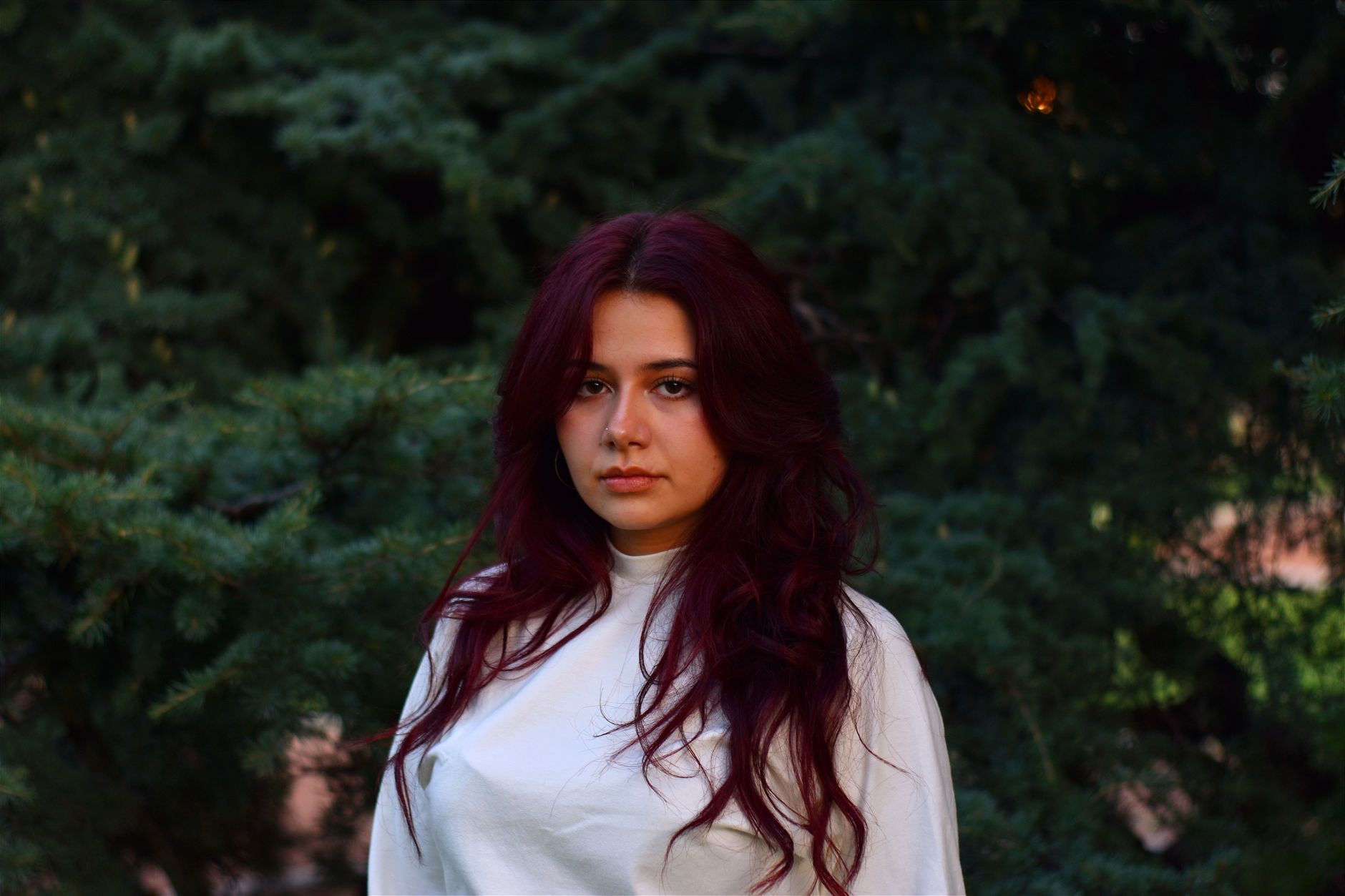
Burgundy hair color is not just “dark red.” That’s the misconception that sends people home from a salon holding something they didn’t ask for — too violet, too auburn, occasionally almost brown. The confusion is real. And it comes down to undertone science more than any single product or technique.
Burgundy ranked among the top five trending hair searches on Pinterest in 2023–2024. A lot of people are making this color choice right now. Getting it right means understanding what the shade actually is, what your skin tone and starting hair color will do to it, and how fast it fades — all of which is fixable once you have accurate information.
What Burgundy Hair Color Actually Is (And Where It Lives on the Color Wheel)
True burgundy sits at hex #800020 — a deep, wine-toned red with equal parts red pigment and just enough blue to pull it away from pure crimson. On the color wheel, it lands between classic red and violet-red, which is exactly why it shifts so dramatically depending on formulation and base hair color.
That range matters more than most people realize. A formula that leans toward red reads as wine or dark cherry. One that leans violet reads as plum or purple-brown. Neither is wrong — they’re both inside the burgundy family — but they are not interchangeable on your head.
Your Skin Undertone Is the Real Deciding Factor — Here’s How to Match It
Warm undertones (yellow, peachy, or golden skin) pair best with red-leaning burgundies. The warmth in the dye mirrors the warmth in your skin and keeps both looking alive. Cool undertones (pink, rosy, or bluish veins at the wrist) suit violet-leaning burgundies far better — the blue in the formula complements rather than clashes.
Neutral undertones get some flexibility. They tend to look best in the middle of the burgundy spectrum, with formulas labeled “wine” or “deep red” rather than anything explicitly violet or auburn.
Check your wrist veins in natural light. Blue or purple veins signal cool undertones. Green veins signal warm ones. Not foolproof, but fast and accurate enough to steer your shade choice.
Dark Hair Starting Point? What Colorists Do Before Applying a Single Drop of Burgundy
If your natural or current hair is darker than dark brown — level 3 or below — burgundy pigment will barely show. The underlying hair is too dark to let red and violet molecules reflect properly. You’ll get a subtle sheen at best. Muddy results at worst.
Colorists pre-lighten to level 5 or 6 before applying burgundy hair color on dark hair. That’s a medium to dark brown base, not blonde — you don’t need to go light, just light enough. This usually means a separate bleaching or lifting session, which adds cost and processing time. Skipping it is the number one reason dark-haired DIYers end up disappointed with burgundy results.
Box Dye vs. Salon: Honest Cost, Risk, and Result Comparison
| Factor | DIY Box Dye | Salon |
|---|---|---|
| Cost | $8–$15 | $60–$150 |
| Color accuracy | Variable | High |
| Pre-lightening option | Risky without experience | Controlled |
| Custom undertone matching | No | Yes |
L’Oréal Féria B37 “Midnight Burgundy” is one of the top-selling box dyes in the US and a reasonable starting point for hair already at level 5 or above. It leans cool and violet, so it suits cool undertones particularly well. If your skin runs warm, look for something labeled “wine red” or “auburn burgundy” instead.
The salon gap isn’t just about money. It’s about having someone who can assess your existing hair in person, choose a formula accordingly, and manage pre-lightening without frying your ends. That’s a real difference.
The Fading Problem — How Fast Burgundy Drops and What Slows It Down
Red and violet pigment molecules are small. They enter the hair shaft quickly but exit just as fast — especially with frequent washing and heat. Burgundy hair color fades 30–40% within four to six weeks without intervention. That’s not a flaw in the dye. It’s chemistry.
What actually slows it down:
- Color-protecting sulfate-free shampoo, used from day one
- Washing in cool or lukewarm water instead of hot
- A color-depositing conditioner in a red or violet tone, used weekly
- Heat protectant on every styling session
Waiting 48–72 hours after coloring before your first wash helps the pigment settle. Most people skip this. Most people also complain about fast fading. Those two facts are connected.
Burgundy Variations Worth Knowing: Auburn, Plum, Mahogany, and Wine Are Not the Same Shade
These terms get used interchangeably on box dye packaging. They shouldn’t be.
- Auburn: Red-dominant, warm, closer to copper-brown than burgundy
- Plum: Violet-dominant, much cooler, sits outside the burgundy range toward purple
- Mahogany: Brown-base with red reflect, warmer and more subtle than burgundy
- Wine: The closest synonym to true burgundy — deep red with just enough blue to avoid orange
If a product says “plum,” expect purple. If it says “auburn,” expect red-orange warmth. Knowing the difference before you buy saves a lot of frustration at the bathroom sink.
How to Style and Maintain Burgundy Hair So It Still Looks Intentional at Week Six
The gap between week-one burgundy and week-six burgundy doesn’t have to be dramatic. A color-depositing mask used every seven to ten days replaces the pigment that washes out — Overtone and Celeb Luxury both make burgundy-specific formulas in the $20–$30 range that work noticeably well between salon visits.
Gloss treatments at a salon — typically $30–$60 — refresh tone without a full re-color. They add shine and deposit a small amount of tint. Most colorists recommend one every four to six weeks for vivid shades like burgundy hair color.
For styling, burgundy pops most in direct light. Loose waves and soft curls break up the color so depth variation actually shows. Flat-ironed or very straight styles tend to look uniform, which flattens dimensional color — not ideal for a shade that lives and dies by richness.
Frequently Asked Questions
Does burgundy hair color work on dark hair without bleaching?
On very dark hair (level 3 and below), burgundy will show almost no visible payoff without pre-lightening. On dark brown hair at level 4–5, you may get a subtle sheen in sunlight, but the full wine-red or violet result won’t appear. Pre-lightening to level 5–6 is the standard recommendation from colorists for any shade of true burgundy.
What is the difference between burgundy and plum hair color?
Burgundy has a strong red base with a moderate violet lean. Plum tips further into the violet-purple range and reads as distinctly purple in most lighting. On a color wheel, plum sits beyond burgundy toward true purple. If you want something that still reads “red” in most light, burgundy is the right call. If you want purple with warmth, plum is.
How long does burgundy hair color last?
Permanent burgundy typically lasts six to eight weeks before needing a full re-color, but vibrancy fades noticeably within four to six weeks without protective care. Semi-permanent versions last two to four weeks. Using sulfate-free shampoo, cool water, and a weekly color-depositing conditioner can extend vibrancy by two to three weeks.
Choosing the Right Formula Is Most of the Work
Burgundy hair color rewards anyone who understands what’s actually happening with undertones, starting level, and maintenance. Match your skin’s undertone to the formula’s lean. Prep dark hair properly. Commit to a simple care routine. Do those three things and the color looks deliberate and vivid well past week four — not washed-out and accidental.
For more pieces like this one, browse the rest of our Style coverage.