
Orange Nail Polish Works Year-Round: The Proof
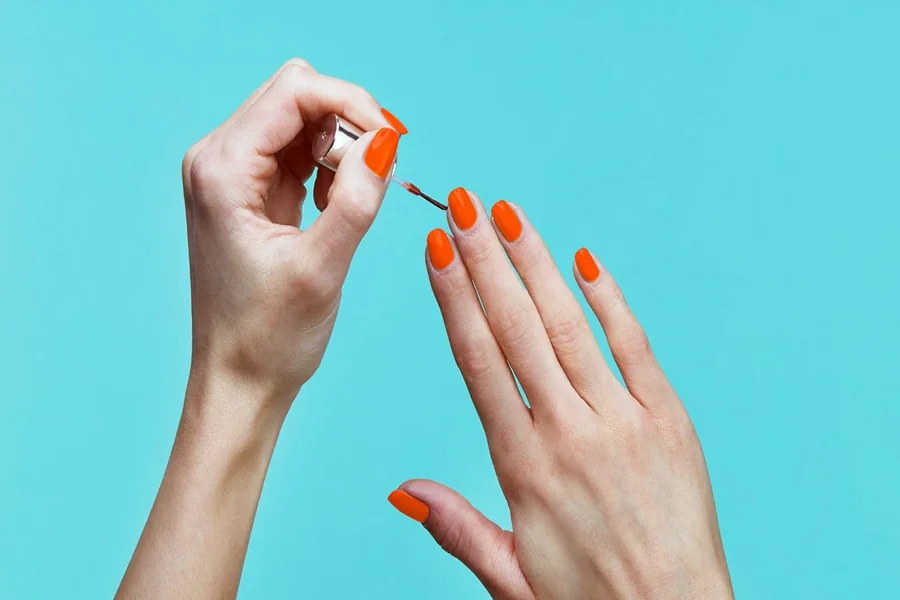
You glance at your friend’s terracotta manicure mid-January and think, “that shouldn’t work right now.” But it does. And that nagging surprise is exactly what this piece is about.
Orange nail polish has a reputation problem. Most people reach it in September, wear it through October, and pack it away with their Halloween decorations. That’s a shame. The color wheel, runway trends, and hard sales data all make the same argument: orange is a year-round neutral in disguise. Let’s walk through the evidence.
Why Orange Nail Polish Sat Ignored for Decades — and What Finally Changed
For most of the 1990s and 2000s, orange nail was the discount bin option — too loud for the office, too warm for winter, too bold for anyone who wasn’t performing in a Cirque du Soleil show. Beauty counters leaned heavily into pinks, reds, and nudes, treating orange as a specialty item you’d never actually recommend to a real client.
The shift started in 2012. Pantone named Tangerine Tango (Pantone 17-1463) its Color of the Year, and that single announcement pushed orange into editorial spreads, ad campaigns, and department store end-caps it had never occupied before. Suddenly stylists had institutional cover to recommend it.
By 2022, Sally Hansen’s “Mango Fandango” had cracked the brand’s top 10 best-selling shades globally. NPD Group beauty data shows orange nail polish sales spike 34% every September — but the baseline has risen every year since 2013. The spike is bigger. The floor never quite drops back to where it was.
The Color Wheel Truth That Makes Orange Flattering on Every Skin Tone
Here’s the one piece of color theory worth memorizing: orange sits directly opposite blue on the standard color wheel. That makes it a complementary color to blue-based undertones — which describes the majority of cool and neutral skin tones. Far from clashing, an orange nail against cool skin creates a high-contrast pop that reads as intentional and striking. Not accidental. Not loud for the sake of loud.
Warm skin tones get even more mileage from orange because the analogous warmth in their complexion pulls the shade toward a cohesive, sun-kissed finish. There is genuinely no undertone that orange fights.
Burnt Orange vs. Neon Orange vs. Terracotta: Choosing the Right Shade for Your Undertone
Not every orange nail shade behaves the same way, though.
- Burnt orange (think rust, copper-leaning) reads almost as a warm neutral and flatters deep and olive skin tones particularly well.
- Neon orange has a blue-white base that pops against darker skin and adds contrast against very fair complexions — it’s bold by design, not by accident.
- Terracotta sits between burnt orange and clay brown, working as a near-nude alternative for warm and medium skin tones who want orange without the drama.
If you’re unsure where to start, terracotta is the lowest-risk entry point. It reads as sophisticated rather than loud, and it photographs beautifully in natural light. Start there, then push further once you see how the color actually behaves on your hand.
Runway to Reality — How Bottega Veneta and Valentino Made Orange Manicures Mainstream in 2023
The 2023 runway season made orange nails unavoidable. Bottega Veneta sent models down the runway with deep burnt-orange manicures that matched their intrecciato leather bags almost exactly. Valentino went brighter — a saturated tangerine that lived in the same color family as their hot-pink era but felt earthier, more tactile.
Both houses treated the orange nail as a finishing detail with the same weight as a shoe choice. That framing matters. It told stylists and consumers that orange isn’t an accent. It’s a full statement color deserving deliberate selection, not an afterthought grabbed from the bottom drawer.
Orange Nail Art Techniques That Actually Work: Chrome Powder, Negative Space, and Gradient Builds
Chrome orange nail powder has become a DIY favorite. Most kits run between $6 and $15, and the effect — a mirror-finish, metallic orange — looks significantly more expensive than that. Genuinely impressive for the price.
Negative space designs work especially well with orange because the contrast between the bare nail and the color is inherently warm-toned rather than stark. A simple half-moon design in burnt orange takes about ten minutes with a steady hand and a striping brush. And it looks intentional every single time.
Gradient builds, blending orange into a deep red or a pale coral at the tips, give the shade a softer landing if you’re still hesitant about full saturation. They’re also genuinely forgiving of uneven application at the cuticle line — which matters more than most tutorials admit.
Making Orange Nails Last: Polish, Gel, and Press-On Options Compared by Price and Durability
| Format | Average Cost | Wear Time | Best For |
|---|---|---|---|
| Standard polish | $6–$14 | 4–7 days | Experimenting with shades |
| Neon orange gel | $12–$28 | 2–3 weeks | High-impact, long wear |
| Press-ons | $8–$20 | 7–14 days | Speed and zero dry time |
| Chrome powder (over gel) | $6–$15 (powder only) | 2–3 weeks | Metallic finish, DIY |
Gel is the clear durability winner. Neon orange gel formulas hold their vibrancy better than standard polish because the UV-cured coat seals pigment more effectively than air-dry chemistry. So if you’re committing to orange nail for a vacation or an event, gel is the answer — not a debate.
Outfits and Occasions Where Orange Nails Steal the Scene Without Clashing
Orange pairs cleanly with navy, white, black, olive, and camel — a wider range than most people expect. Against a cobalt blue dress, an orange nail reads like a deliberate color-block choice rather than an accident. Against denim, it feels effortless. Both work.
Occasions people consistently overlook for orange nails: job interviews (terracotta reads as polished, not distracting), winter formal events (burnt orange against a black gown carries more sophistication than a standard red), and casual beach days where neon orange practically glows in direct sunlight. The seasonal ceiling people assume exists simply doesn’t.
Frequently Asked Questions About Orange Nail Polish
What skin tone suits orange nail polish?
Every skin tone can wear an orange nail — the shade just needs to match your undertone. Cool undertones do best with bright or neon orange; warm undertones glow in burnt orange or terracotta; neutral undertones have full range across the spectrum.
How long does orange gel nail polish last?
A properly applied orange gel manicure typically lasts two to three weeks before lifting or chipping. Using a quality base coat, capping the free edge with color and top coat, and avoiding prolonged water exposure all extend that window meaningfully.
What nail shape looks best with orange polish?
Almond and oval shapes soften the boldness of orange, making it easier to wear in professional settings. Square and coffin shapes amplify the statement — ideal if you want the color to read as a deliberate fashion choice. Short, rounded nails in terracotta are arguably the most wearable everyday option. Simple, but it works.
Why Orange Deserves a Permanent Spot in Your Nail Rotation
The orange nail trend isn’t trending — it has graduated. Pantone recognized it in 2012. Major fashion houses confirmed it in 2023. Retail data shows it selling well in months that have nothing to do with autumn leaves, and the science of complementary color makes it flattering across skin tones that most other bold shades completely ignore.
Start with a terracotta or chrome orange if you’re cautious. Go straight to neon gel if you’re not. But either way, there’s a version of orange nail that belongs in your weekly rotation — not just your October one.
For more pieces like this one, browse the rest of our Style coverage.