
How to Be Photogenic: 7 Science-Backed Tricks That Work
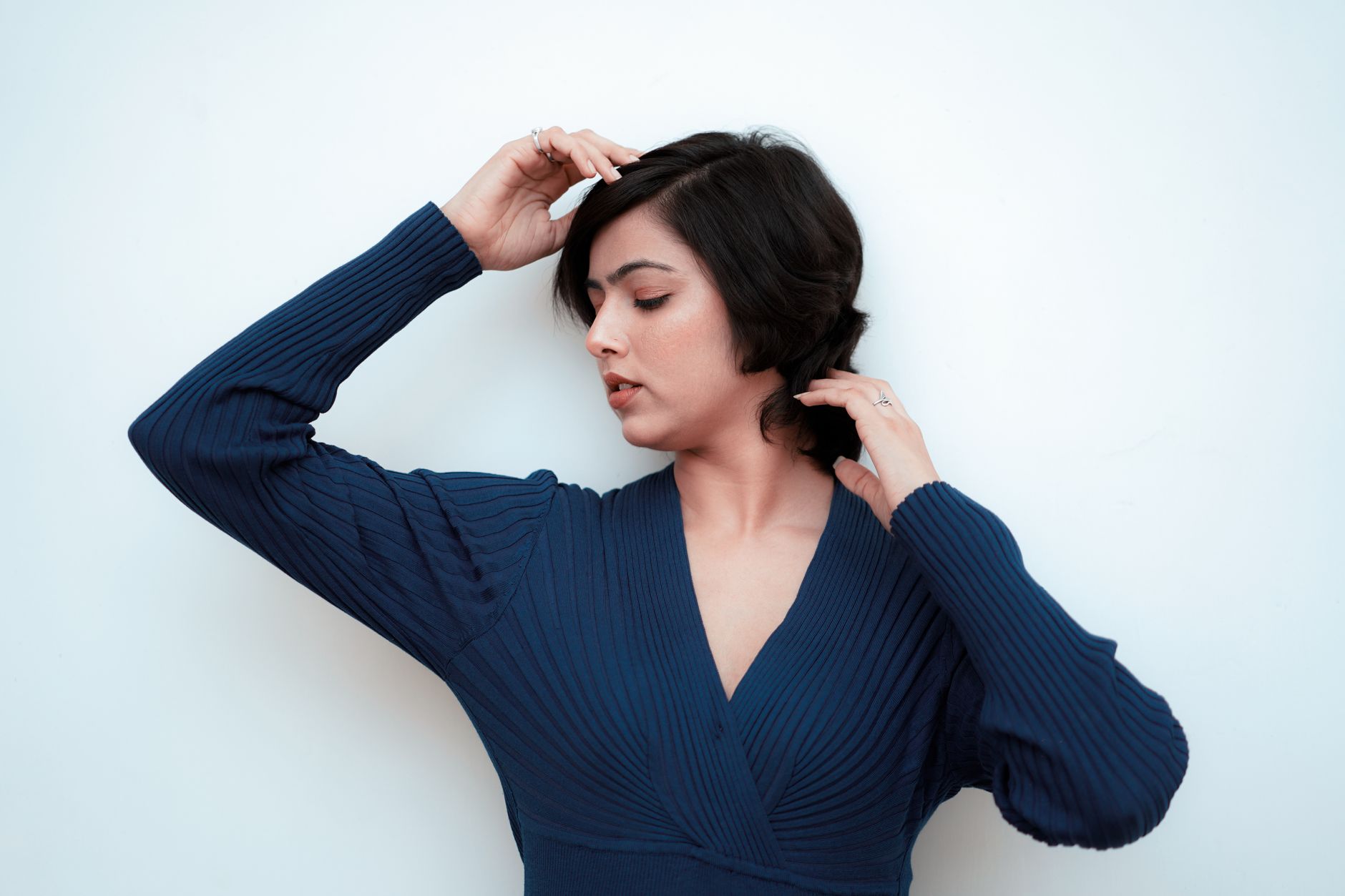
How to Be Photogenic is, at its core, a physics problem — and once you understand the physics, you’ll stop blaming your face. Most advice jumps straight to posing. Cross your arms, tilt your chin, smile wider. That advice isn’t wrong. But it skips the part that explains why you look different in photos than you expect — and that missing piece changes everything.
Take Maya, a perfectly attractive 30-year-old who hates every photo taken of her. Candid shots at parties look fine. Close-range phone selfies? She calls them “crime scene evidence.” By the end of this piece, you’ll know exactly why that happens — and how to fix it without surgery, filters, or a professional photographer on retainer.
Why Your Camera Technically Lies — and What That Does to Your Face
Cameras don’t capture reality. They compress three dimensions into two, and the lens they use to do that matters enormously. Lenses with a focal length of 35mm or shorter — including almost every smartphone camera on the planet — distort facial features by up to 30%. Your nose appears wider. Your forehead juts forward. Your ears seem to vanish.
This isn’t flattering. And it isn’t your face. It’s geometry.
The Focal Length Fix: Why a Few Feet of Distance Changes Everything
Smartphone selfie cameras typically use a 23–28mm equivalent lens. That’s a wide-angle lens pressed inches from your face — the worst possible combination for portrait accuracy. Professional portrait photographers tend to shoot at 85mm or longer specifically because longer focal lengths compress perspective in a way that actually matches how the human eye perceives faces.
You can’t change your phone’s lens. But you can increase the distance. Hand your phone to someone else and have them shoot from six to eight feet away, then crop in. Maya tried this at a birthday dinner — same phone, same lighting, completely different results. The nose distortion disappeared. Her face looked like her face.
If you must take selfies, use the rear camera with a self-timer. It typically has a longer equivalent focal length than the front-facing lens. Small change, significant difference.
Face Angles That Actually Flatten Features (The 45-Degree Science)
Photographers call it the three-quarters rule. Turn your face roughly 45 degrees away from the camera and your apparent nose width reduces noticeably — because the camera’s now seeing your nose in profile rather than dead-on. It’s not about hiding anything. It’s about presenting your features at the angle they’re most accurately rendered by a flat sensor.
Lower the camera slightly above eye level, too. Shooting upward toward a subject widens the jaw and shortens the forehead. Shooting down — even by just a few inches — elongates the face in a way most people find far more flattering.
Eye Tricks That Separate Flat Shots From Magnetic Ones
In 2013, photographer Peter Hurley coined the term squinching — raising your lower eyelid slightly while keeping the upper lid relaxed. It’s not a squint. Wide, fully open eyes read as startled or vacant in photos. Squinching reads as confident and present.
Practice in a mirror. Hold your face neutral, then tighten just the lower lid. It takes about two minutes to feel natural. Maya spent a week doing it every time she brushed her teeth. By the following Friday she wasn’t thinking about it anymore.
Body Positioning Secrets Borrowed From Royalty and Runway Models
The Duchess Slant is named after Kate Middleton, who uses it at virtually every public appearance. One foot steps forward, weight shifts to the back hip, the body turns slightly away from the camera. The result: a slimmer silhouette, a longer visual line through the leg, and a posture that looks relaxed rather than rigid.
Models add one more layer. They push their forehead slightly toward the camera while keeping the chin level. It sounds awkward. It photographs beautifully, because it sharpens the jaw line against the background.
Lighting as a Cheat Code: How to Engineer Catchlights and Kill Shadows
Catchlights are the small bright reflections visible in a subject’s eyes in well-lit portraits — they make eyes look alive. To get them, a light source needs to be within roughly 45 degrees of the camera axis. Outdoors, face toward the sun or an open sky. Indoors, position yourself facing a window rather than beside it.
Harsh overhead lighting — office fluorescents, midday sun — creates shadows under eyes, noses, and chins that age a face dramatically. Soft, frontal light fills those shadows. It’s why “golden hour” photography exists. The sun at a low angle is essentially a giant softbox. So if you’re planning photos, pick your timing and your window accordingly.
Training Your Natural Reflex So You Look Good Without Thinking
Knowing the techniques is one thing. Executing them when a camera appears suddenly is another entirely. The people who reliably know How to Be Photogenic have rehearsed until the angles are muscle memory. Five minutes in front of a mirror — the 45-degree turn, the squinch, the Duchess Slant. Take a few deliberate photos of yourself, review them, adjust.
Maya’s approach: she set her phone against a coffee mug once a week and practiced for three minutes. By month two, friends were complimenting her “new confidence.” Nothing about her face changed. Her relationship with the camera did.
Frequently Asked Questions
Why do I look different in photos than in mirrors?
Mirrors show a reversed image of your face — left and right are flipped — and because faces are subtly asymmetrical, that reversal looks familiar to you. Photos show the unreversed version, which is what everyone else sees. Add lens distortion from a close camera and the gap between “mirror you” and “photo you” gets even wider.
How do I not look awkward in photos?
Awkwardness usually comes from freezing. Every muscle tenses, the smile goes stiff, and the body squares up to the camera like it’s facing a firing squad. The fix is deliberate movement — adjust your weight, take a breath, turn slightly. Motion, even when stopped mid-photo, reads as ease.
Why do I look worse in selfies than in regular photos?
Selfies are taken at roughly 12–18 inches from your face using a wide-angle front camera. That combination maximizes the geometric distortion described earlier. A photo taken from across a room by someone else will almost always be more accurate — and more flattering — than a selfie at arm’s length. But a rear-camera self-timer shot gets you most of the way there.
The Bottom Line on Looking Good in Photos
Knowing How to Be Photogenic isn’t about being classically beautiful or memorizing 20 poses. It’s about understanding what cameras actually do and meeting them on their own technical terms. Increase the shooting distance. Turn 45 degrees. Squinch slightly. Find a window. Those four changes alone will make a visible difference in almost every photo you take — starting with the very next one.
For more pieces like this one, browse the rest of our Style coverage.