
Self-Care as a Career: Why More People Are Choosing Esthetics
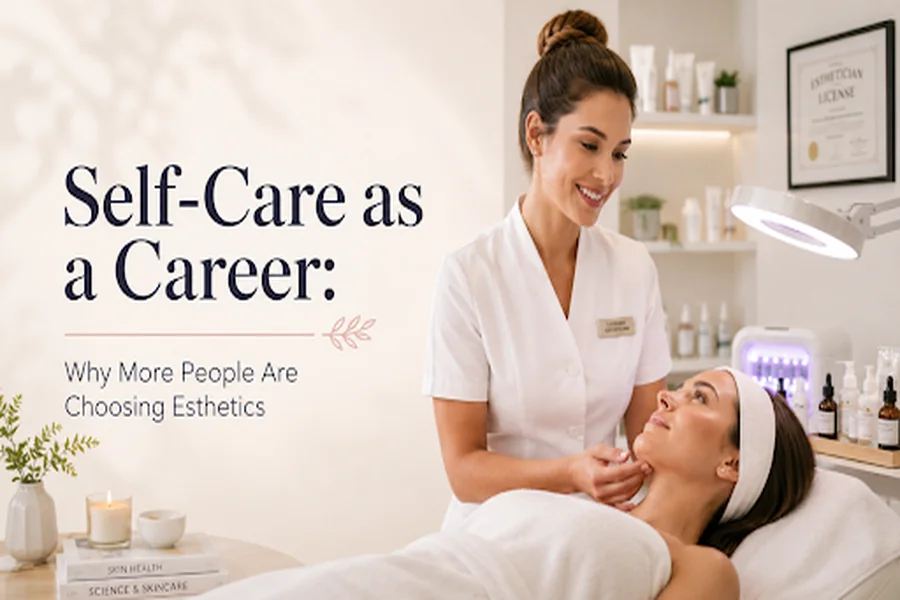
There’s a reason the esthetics field is growing faster than most other segments of the beauty industry. People are spending more on skincare than at any point in the last two decades, and the demand for trained professionals who can deliver results—not just sell products—is climbing with it.
What’s interesting is who’s entering the field. It’s not just recent high school graduates. Career changers in their late twenties, thirties, and beyond are enrolling in esthetics programs, drawn by a combination of personal passion, flexible scheduling, and a career that doesn’t require a four-year degree to be financially viable.
The Skincare Boom Isn’t Slowing Down
Global skincare revenue continues to outpace makeup, haircare, and fragrance. Consumers are shifting from covering imperfections to preventing them, and they’re willing to pay for professional-grade treatments that go beyond what they can do at home.
This means consistent demand for licensed estheticians who can perform facials, chemical peels, microdermabrasion, LED therapy, and other clinical-level services. Medspas, dermatology offices, high-end spas, and standalone skincare studios are all hiring—and many report difficulty finding enough qualified professionals to fill open positions.
It’s a Realistic Path for Career Changers
One of the biggest draws of esthetics is the timeline. Unlike careers that require years of graduate education, most esthetics programs can be completed in under a year. Once you pass your state licensing exam, you’re eligible to start working immediately.
That compressed timeline makes esthetics accessible for people who are switching careers and can’t afford to spend four years in school again. A teacher, an office worker, a retail manager—any of them can realistically transition into a new career within twelve months without taking on massive student debt.
The Work Itself Is Genuinely Rewarding
This is the part that’s hard to quantify on a career comparison chart but matters enormously to the people doing the work. Estheticians help people feel better about how they look. That sounds simple, but the impact is real.
Clients dealing with acne scarring, post-surgical skin changes, or the visible effects of aging often carry significant emotional weight around their skin. An esthetician who can improve their skin’s appearance and teach them how to maintain it at home is providing something that goes well beyond a surface-level service. The repeat relationships you build with clients become one of the most satisfying parts of the job.
Career Flexibility Is Built In
Esthetics offers more career flexibility than people realize. You’re not locked into one setting or one type of service. A licensed esthetician can work in a day spa, a medical office, a resort, a wellness center, or independently from a home studio or mobile setup.
Specialization opens even more doors. Oncology esthetics, for example, focuses on serving clients undergoing cancer treatment. Medical esthetics involves working alongside dermatologists and plastic surgeons. Holistic esthetics blends skincare with aromatherapy and wellness practices. Each niche has its own client base, earning potential, and day-to-day experience.
What the Path Actually Looks Like
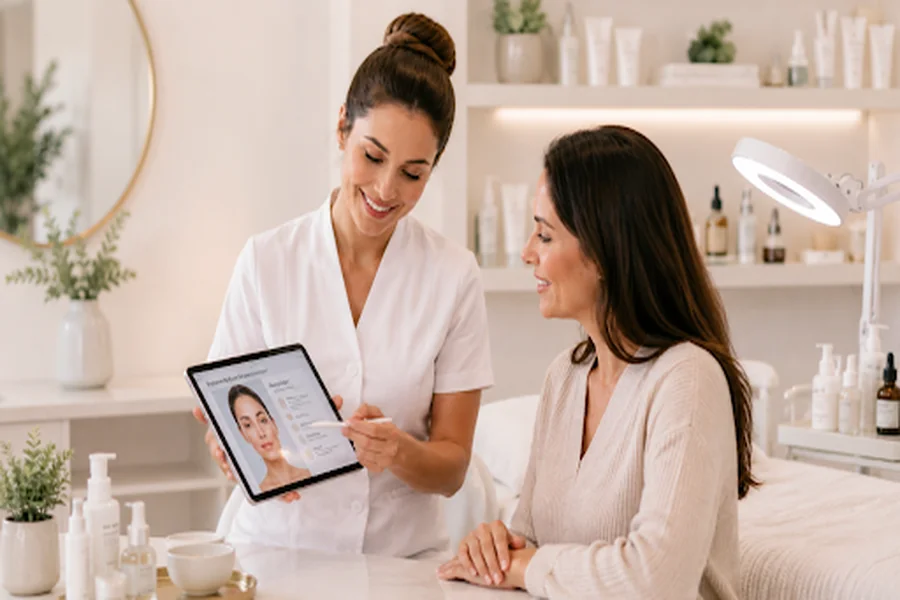
If you’re seriously considering this path, the first step is understanding what’s required in your state. Licensing requirements vary—the number of training hours, the exam format, and the scope of services you’re allowed to perform all depend on where you plan to practice. A solid breakdown of how to become an esthetician covers the licensing process, training expectations, and what to look for in a program.
The Financial Picture
Esthetician salaries vary widely depending on location, specialization, and whether you work for someone else or run your own business. Entry-level positions in spas typically start modestly, but earning potential increases significantly with experience, advanced certifications, and a loyal client base.
Estheticians who specialize in medical or clinical services tend to earn more than those in traditional spa settings. And those who build independent practices have uncapped earning potential—though they also take on the costs and responsibilities of running a business.
The financial math works especially well for career changers who compare it to other options. A twelve-month investment in training versus a four-year degree, combined with strong job demand, makes the return on investment compelling.
Is It Right for You?
Esthetics isn’t for everyone. It requires genuine interest in skin science, comfort with close physical contact, strong interpersonal skills, and the patience to build a client base. If the idea of spending your day helping people feel more confident in their skin sounds energizing rather than draining, that’s a good sign.
The beauty industry is full of paths you can take. Esthetics happens to be one of the most accessible, in-demand, and personally fulfilling options available right now—and the window for getting in while demand outpaces supply isn’t closing anytime soon.