
J-STD-001 Certification Guide For Surviving The Brutal Electronics Industry
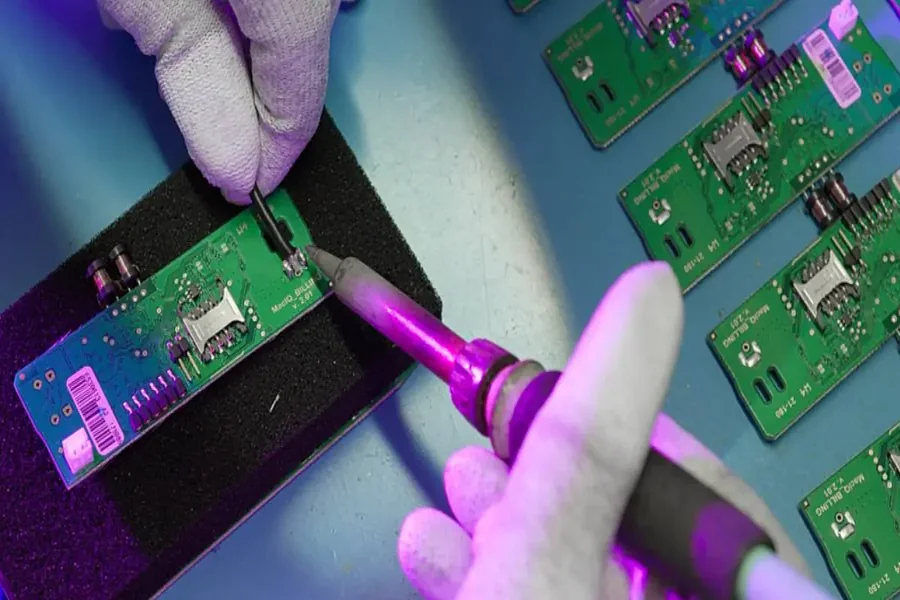
The modern electronics manufacturing floor is definitely not a place for clumsy hands. It strongly smells like hot pine resin and burning liquid flux. Thousands of tiny, highly fragile parts move rapidly down endless assembly lines. One wrong move with a blistering hot iron completely destroys a green board worth thousands of dollars.
The industry simply cannot tolerate sloppy, lazy workmanship. A bad solder joint on a cheap consumer toy just makes a kid cry. A bad solder joint on a military airplane radar causes a massive, horrible tragedy. That is exactly why strict, unforgiving rules exist.
Getting the J-STD-001 certification is a brutal right of passage for new technicians. It legally proves a worker actually knows how to fuse metal without causing a complete disaster. It neatly separates the true professionals from the folks who just watched a five-minute video on the internet. Earning this single piece of paper is incredibly frustrating, but it guarantees a very solid career in a rapidly changing technical world.
The Hard Truth About Professional Soldering
A senior aerospace inspector has exactly twenty-five years of experience actively melting metal. His fingers are completely covered in tiny, faded burn scars. He is a tough boss on a military assembly line. This inspector has absolutely zero patience for lazy technicians.
He clearly remembers when folks used to solder by purely guessing the exact temperature. It was a complete, daily nightmare of poor quality control. Now, he strongly forces all his fresh new hires to take the certification class immediately. He tells them constantly that proper soldering is actual chemistry and physics combined.
It is definitely not just gluing parts together with hot silver. The molten metal has to form a strong intermetallic bond. If the nervous technician shakes too much, the delicate bond fractures instantly. He closely watches the rookies sweat heavily over their microscopes. He absolutely knows that tough training breaks bad habits. Once a technician fully understands the absolute strictness of the global standard, their daily work becomes a form of industrial art. It looks incredibly clean, shiny, and perfectly uniform every single time.
What The Standard Actually Forces Technicians To Learn
The thick rulebook for this standard is massive. It is incredibly boring to read, but totally essential for survival. The tough class starts with the absolute basics of human safety. A professional soldering iron sits at seven hundred angry degrees.
Grabbing it tightly by the wrong end sends a person straight to the hospital. The nasty fumes from the melting flux paste will literally destroy a person’s lungs over time. Proper ventilation is heavily, heavily enforced. Next, the standard totally dives into the deep science of thermal mass. The strict rules of the j-std-001 certification manual cover all this heavily.
A thick copper wire sucks up massive heat instantly. A tiny computer chip totally melts if it gets too hot for three short seconds. The skilled technician must learn to carefully balance the heat transfer perfectly. The final cleaning process is also strictly regulated. Leaving sticky flux residue on a board causes terrible hidden corrosion down the line. The tired technician must scrub the board with highly specific chemicals until it is completely spotless. It requires an incredible amount of raw patience.
The Core Materials Needed To Avoid Complete Disasters
A true professional cannot just buy cheap wire from a local hardware store. The building materials are highly controlled by the government. The global standard dictates the exact chemical makeup of the shiny solder. For many decades, the industry used a perfect mix of tin and lead.
Lead melts beautifully and creates a gorgeous, highly shiny joint. However, lead is highly toxic to developing human brains. The world heavily pushed for much safer lead-free solder. Lead-free solder is a total nightmare to actively work with. It requires much, much higher heat.
It usually looks dull and strangely grainy even when done perfectly. It aggressively eats away the expensive iron tips. Technicians also rely heavily on chemical flux. Flux is a nasty chemical paste that magically eats away invisible oxidation on the metal pads. Without flux, the hot molten metal just sadly rolls off the board like water on greasy glass. Using the strictly correct materials firmly prevents the parts from failing when a machine shakes violently during operation.
Required Tools On A Professional Workbench
- A high-end soldering station with exact, highly digital temperature control.
- Powerful microscopes to clearly see components smaller than a grain of rice.
- Special chemical pens actively used to apply liquid flux highly accurately.
- Heavy-duty fume extractors to quickly pull toxic smoke away from the face.
Why Giant Tech Companies Demand This Strict Paperwork
Wealthy corporate bosses do not actually care about the fine art of soldering. They care entirely about legal liability and massive lawsuits. If a tiny medical pacemaker fails inside a sick patient, the company gets sued for millions of dollars.
The aggressive lawyers will immediately demand to see the exact training records of the factory workers. If the workers hold a valid j-std-001 certification, the company can legally prove they followed global best practices. It acts as a massive legal shield. Beyond scary lawsuits, it actively saves a tremendous amount of cash.
Daily scrap rates drop significantly when workers actually know what they are doing. Tossing a ruined circuit board into the trash is exactly like throwing hundred-dollar bills into a hot fire. Aerospace, medical, and big automotive companies explicitly write this strict requirement into their standard hiring contracts. A worker without the actual certificate simply will not get the job. It is definitely the golden ticket to successfully entering the highest-paying sectors of the modern manufacturing industry.
The Sweaty Reality Of Passing The Hands-On Exam
Taking the actual class is a grueling, highly stressful multi-day experience. The tough instructor stands silently over the technicians like a hawk. The written test is completely full of tricky questions about wire gauges and chemical compositions. It is incredibly easy to fail if a person does not study the thick textbook.
However, the hands-on physical test is where the real panic begins. The nervous technician is given a blank green board and a tiny bag of parts. They must successfully build a working circuit under a very strict time limit. Their hands start shaking violently from the coffee and nerves.
The serious instructor then takes the finished board and puts it directly under a massive microscope. They actively look for microscopic, hidden cracks. They closely look for tiny splashes of stray metal. They look for burned plastic insulation on the colored wires. It feels exactly like an intense police interrogation. Passing this highly physical exam ultimately proves that a worker has genuine mechanical skill. It brings a massive, deep sigh of relief.
Rules For Building A Connection That Will Not Break
The strict criteria for officially passing are incredibly specific. A genuinely good solder joint always has a very distinct shape. It should exactly look like a smooth, perfectly concave tent connecting the wire to the flat pad.
If the shiny metal bulges out like a fat balloon, there is way too much solder. This is known as a cold joint. It is highly brittle and will violently snap under pressure. If the metal wire is clearly visible through a thin, jagged layer of metal, there is definitely not enough solder.
The official standard heavily dictates exactly how much wire can stick out of the hole. It dictates exactly how the colored insulation must be carefully trimmed. There is absolutely zero room for personal interpretation. You cannot just casually say it looks good enough. The harsh rules force a level of absolute perfection that often drives lazy workers completely insane. Mastering these incredibly tiny details simply takes months of daily repetition on the noisy factory floor.
Red Flags Of A Totally Failed Solder Joint
- The dry metal looks highly rough, frosty, and very irregular.
- The plastic coating on the wire is completely blackened and melted.
- Tiny loose balls of stray solder are dangerously stuck to the green board.
- The shiny metal barely touches the very edges of the flat copper pad.
Enduring The Endless Assembly Line Reality
The massive electronics industry absolutely never stops evolving. Physical components get smaller every single year. Tiny parts that used to be the exact size of a fingernail are now the size of a speck of dust. Giant automated machines do a lot of the actual heavy lifting now.
Massive automated ovens neatly bake thousands of boards an hour. However, highly skilled human hands are still strictly required for the tricky stuff. Humans absolutely have to fix the stupid mistakes the fast machines make. Technicians must actively renew their official paperwork regularly.
Renewing the j-std-001 certification legally proves their eyes and hands are still sharp. It is definitely not just a piece of paper. It is a deep commitment to a brutal, highly exacting craft. It represents a proud worker’s dedication to keeping the modern world actually running safely. The next time you blindly fly in a commercial jet, you should be extremely thankful for the sweaty, deeply tired technicians who followed the exact rules perfectly.
FAQs
Is it possible to learn these skills just by watching internet videos?
No, online videos cannot teach you the actual physical muscle memory or correct your mistakes in real-time.
How often does a technician have to retake the exam?
The industry standard requires a complete, full recertification every two years to ensure critical skills stay sharp.
Is lead-free solder really that much harder to use?
Yes, it actively requires significantly higher temperatures and does not flow nearly as smoothly as the old lead mixtures.
What happens if a worker fails the hands-on test?
They usually get one single chance to retest, but failing repeatedly means they simply cannot work on critical product lines.
Does this certification cover inspecting other people’s work?
No, the J-STD is strictly for building. The IPC-A-610 standard is the totally separate rulebook used strictly for visual inspection.