
Is Chile Cheap To Visit For Backpackers Now
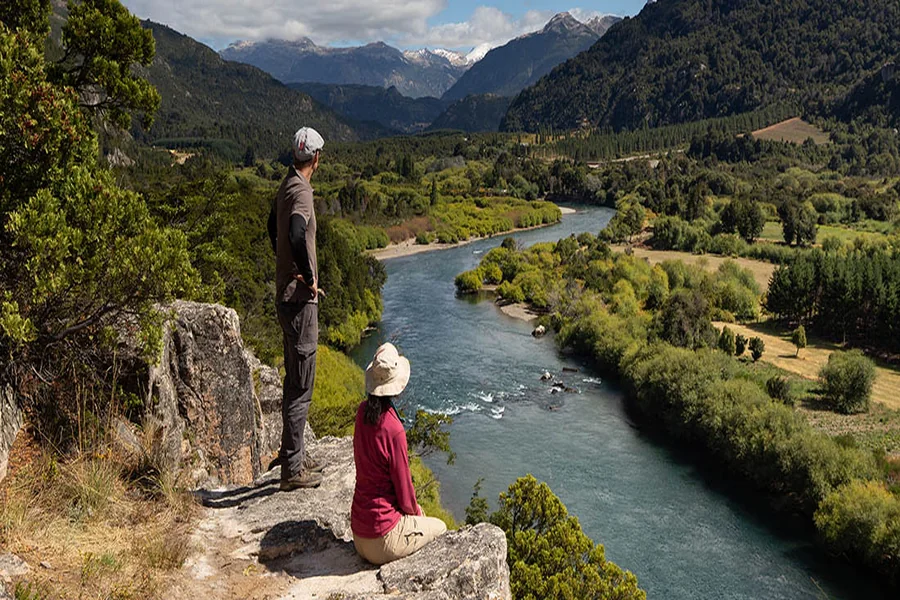
Is Chile Cheap To Visit this year? That question haunts many travelers staring at maps of South America right now. The year is 2026, and prices change incredibly fast.
Chile is a fascinating, very long strip of land. It features massive dry deserts up in the north. Down south, you find wild and frozen mountains. Big, modern cities sit right in the middle of it all. Many folks worry endlessly about the total cost of a trip here.
South America usually means cheap travel for backpackers. But Chile stands out as the big exception. It carries a reputation as the expensive neighbor. Backpackers constantly hear horror stories about expensive coffee and pricey bus tickets.
But rumors only tell half the truth. A smart traveler can absolutely still explore this massive country. They just need to learn a few dirty little industry secrets. Money drains fast if someone acts like a typical distracted tourist.
The real trick is living a bit closer to the ground. You have to eat where the locals eat. You have to sleep where the smart backpackers sleep. And you must stop paying for things you can get for free.
How Much Do Flights To Santiago Cost
Getting down to Chile eats up a lot of cash right away. Most international planes land directly in the capital city of Santiago. Tickets from North America run anywhere from six hundred to over twelve hundred dollars.
Airlines use nasty computer programs to change their prices every single hour. Buying a ticket at the last minute is a massive mistake. Early planners always keep their wallets heavy.
Budget airlines finally stepped up their game recently. Companies like Sky Airline and JetSmart changed everything for the modern backpacker. Domestic flights used to drain travel funds completely. Now, local flights cost almost nothing if you book smart.
A traveler can grab a seat to the Atacama Desert for fifty bucks. Actually, sometimes a long bus ticket costs more than the plane ride. The airline industry hates losing money. But these low-cost carriers force the big guys to drop their prices.
Baggage fees are exactly where they trick people. Backpackers must read the fine print before clicking buy. Carrying a heavy checked bag ruins a cheap flight deal instantly. You have to pack light and carry a small backpack to win this game.
Finding Real Local Food Deals
Food makes or breaks a daily travel budget. Restaurants located near big tourist spots are total traps. They usually charge double the price for really bad meals.
The real secret is looking for the menu del dia. This simply means the menu of the day. Local workers eat these heavy lunches every single afternoon.
A traveler can sit down at a small table and get a massive amount of food. You get a hot soup, a main plate of meat and rice, and a sweet drink. The whole thing costs maybe eight bucks. It fills a person up so much they skip dinner entirely.
Street food is another solid trick for hungry travelers. Empanadas are literally everywhere you look. These little baked pastries hold spicy meat, onions, and melted cheese. They cost two dollars and stop hunger fast.
A person must avoid fancy grocery stores in the nice neighborhoods of Santiago. Local open-air markets sell massive bags of fresh avocados and warm bread for pennies. Tourists just need to embrace the loud chaos of the market.
Vendors yell loud to get your attention. But the fruit they sell is amazing. Eating exactly like a local worker is the only way to survive the food costs.
Navigating The Wild Hostel Scene
Beds take up a giant chunk of any travel fund. Luckily, Chile has hundreds of great places to sleep. Hostels are still the undisputed king of cheap travel.
Here is a dirty secret about the hostel world. Many hostels charge way more money for walk-in guests. Booking ahead online locks in a much better rate for the night.
A single bed in a noisy shared room runs about twenty dollars. Privacy definitely costs extra. A basic private room with a locked door hits sixty dollars fast.
Down in the wild region of Patagonia, prices get downright mean. Towns located near big national parks know they have zero competition. They jack up the prices extremely high during the summer months.
Santiago is much easier on the wallet. Neighborhoods like Bellavista have tons of cheap, funky guest houses. But clean sheets and hot water are never guaranteed in the budget tier.
Reading recent online reviews is a pure matter of survival. A cheap bed is completely useless if the room heater is broken in July. Travel veterans know to pack a warm sleeping bag liner just in case.
Riding The Long Distance Buses
Nobody actually needs to rent a shiny car in Chile. Rental companies charge crazy daily fees anyway. Plus, the bus network is a pure work of art.
These are not sad, broken city buses with plastic seats. Long-haul buses here are huge double-decker machines. They feature giant cushioned seats that recline all the way back.
Night buses save travelers a whole night of hostel rent. A person can sleep comfortably while moving down the dark highway. Tickets run about thirty dollars for a ten-hour ride down the coast. Companies like TurBus run very tight ships. They almost always leave the station exactly on time.
Inside the city of Santiago, the metro system is a total beast. It is super clean, incredibly fast, and insanely cheap. Taxis are famous for ripping off confused tourists at the airport. Grabbing a plastic transit card stops that nonsense right away. You just tap the card and ride safely. Walking remains the ultimate free transport for any traveler. Santiago is mostly flat and very easy to cross on foot. It just takes comfortable shoes and some basic energy.
Awesome Stuff That Costs Zero Dollars
Fun does not have to cost actual money. The best stuff in Chile is completely free. Mother Nature does not charge a heavy entry fee.
Santiago has a giant dirt hill called San Cristobal. Hiking to the very top takes an hour. It easily burns off those heavy empanadas from lunch. The view of the smoggy city against the snowy Andes mountains is wild.
Valparaiso is a weird and beautiful port city on the coast. Walking its steep hills feels like exploring a free art museum. Giant bright murals cover almost every cracked wall in town.
Spending a whole day getting lost in those winding alleys costs nothing. Public parks are everywhere and completely open to everyone. Grabbing some market food and sitting in a sunny park is top-tier travel.
Many big city museums drop their ticket prices to zero on Sundays. Smart backpackers plan their museum days around this specific rule. Sometimes the best travel moments happen by accident. You might just sit and watch locals argue over a wild soccer game in the plaza.
Best Months To Keep Cash In Pocket
Timing completely changes the total cost of a trip. Summer hits Chile hard from December to February. This is the absolute peak season for travel.
The entire country goes on vacation at the exact same time. Hotels fill up fast and bus tickets double in price. Trying to save money in late January is a pure nightmare.
The travel industry heavily feasts on naive summer tourists. Smart folks aim their trips for the shoulder seasons. October, November, March, and April are the golden travel months.
The weather holds up nicely during these times. The crazy crowds simply vanish from the streets. Hostels suddenly offer massive weekly discounts to fill their empty beds.
Winter is very cheap but brutally cold in the south. Freezing winds rip through the mountains of Patagonia. Skiers love the deep winter, but ski resorts are never cheap.
Budget travelers should definitely stick to the spring or the fall. The southern forests turn bright orange in April. It is deeply beautiful, very quiet, and incredibly cheap.
Top Cheap Snacks To Grab
Street food keeps travelers moving without breaking the bank. These quick bites are everywhere.
- Empanadas de Pino: Heavy baked dough stuffed with beef, sweet onions, and a hard-boiled egg.
- Completos: A massive hot dog buried under scary amounts of fresh avocado and mayo.
- Mote con Huesillo: A super sweet peach drink packed with weird, chewy wheat grains.
- Sopaipillas: Deep-fried pumpkin circles served with a very spicy local salsa.
- Pan Amasado: Heavy country bread sold warm on the side of the highway.
Your Next Steps On The Map
Is Chile Cheap To Visit if a traveler plans correctly? Absolutely. It just takes a bit of hustle and smart planning. Tap water is totally safe to drink in the major cities. That saves a hundred bucks on plastic bottles right there. Learning just five words of Spanish changes the whole travel game.
Market vendors highly respect people who try to speak the local language. They usually throw in an extra fresh apple for free. A traveler needs to avoid those flashy, brightly lit tourist zones.
Eating two streets over from the main square cuts the dinner bill in half. Travel is all about adapting to the real world. A trip down to the very end of the earth is totally possible on a tight budget. It just requires eating a whole lot of local hot dogs. You have to ride big buses in the dark. But the massive snowy mountains and the wild deserts make every single penny worth it.
FAQs
Is Chile more expensive than Peru?
Yes, it definitely is. Peru is famous for very cheap food and affordable mountain treks. Chile has a stronger overall economy and a higher standard of living. This pushes up the prices for restaurants and hotels across the country.
Can travelers just pay with US dollars?
Not really. A few fancy hotels might accept a crisp twenty-dollar bill. But normal shops and buses only want the local Chilean Peso. Paying in local cash always gets a person the absolute best price on the street.
Are the cheap buses actually safe at night?
The big bus companies are very safe and totally professional. They track the speed of their drivers using GPS. However, bus stations at two in the morning can be quite sketchy. Travelers must watch their backpacks closely while waiting for the bus to arrive.
Do the national parks charge big entry fees?
Big famous parks charge foreigners a heavy premium. Torres del Paine costs a lot of money just to walk through the front gate. Smaller, unknown state parks are often completely free or charge just a couple of dollars.