
Inventions From The 1920s That Completely Changed The World
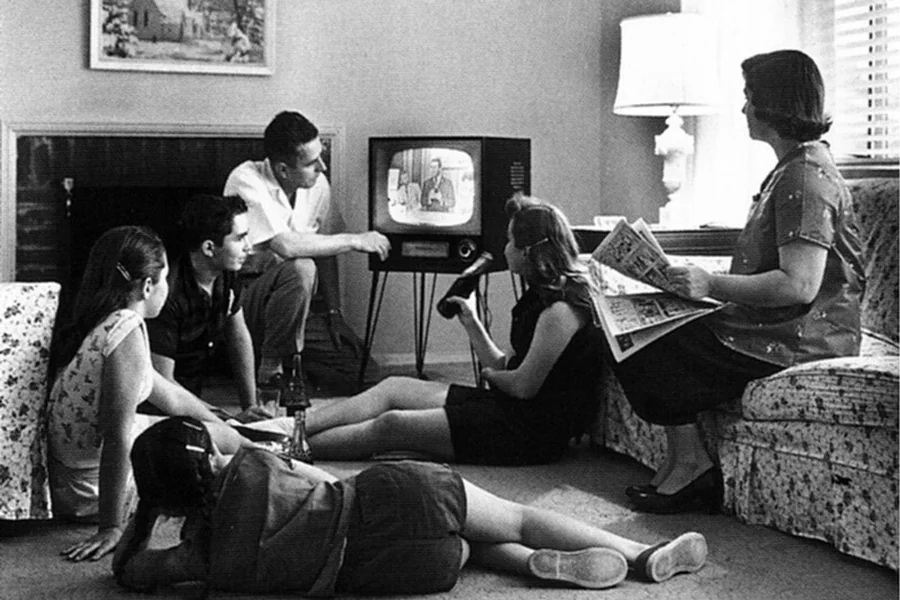
The world today moves incredibly fast. People carry supercomputers right in their pockets. The modern world actually started about one hundred years ago. The decade known as the Roaring Twenties was completely insane. Coming out of World War I, folks felt totally exhausted. They simply wanted a better, faster, and cleaner life. Factories stopped making war supplies. They started making fun consumer goods instead. Brilliant minds locked themselves inside messy workshops. They built gadgets that seemed like pure magic back then. Looking back, the inventions from the 1920s set the true baseline for modern society. Life before this decade was dirty, slow, and mostly silent. Suddenly, homes grew loud. Streets became crowded. Chores were literally cut in half. It is absolutely wild to see how many of these ancient gadgets still sit in modern kitchens right now.
A Decade Of Raw Innovation
The shift in daily life during the twenties was brutal and fast. Before this specific era, electricity was mostly a luxury for rich city folks. By the middle of the decade, power lines stretched out into regular neighborhoods. This changed the game entirely. A house with electricity meant a family could finally buy machines. Engineers realized there was massive money to be made. They started inventing clever tools to fix everyday annoyances. They wanted to sell a brand new machine to every single family on the block. The competition grew incredibly fierce. Inventors rushed to the patent office to claim their wild ideas. This frantic energy created a massive boom of raw innovation. People were ready to spend their hard-earned cash on anything that made life easier.
The Accidental Medical Miracle
Minor cuts used to be a massive problem. A hundred years ago, a chef with a cut finger had to use a bulky rag. They tied a stiff string around the dirty cloth. It was a miserable and filthy system. Enter a smart guy named Earle Dickson. Earle worked at a large medical supply company. His poor wife was constantly slicing her fingers in the kitchen. Earle got totally tired of tying clumsy rags on her hands. He took a piece of sticky surgical tape. The smart inventor slapped a tiny square of clean gauze right in the middle of it. Boom. The Band-Aid was officially born. It was simple, cheap, and totally effective. This tiny sticky strip easily ranks as one of the best inventions from the 1920s ever created. It kept nasty germs out and let people get back to work fast.
Radio Broadcasts Shrink The Planet
Imagine a world with no television, no internet, and no instant news. That was daily reality before the twenties. News traveled on slow paper. It was always late. Then, the commercial radio hit the open market. It was a massive wooden box covered in weird dials. Families proudly placed it right in the center of the living room. In 1920, a station in Pennsylvania broadcasted election results live. It completely blew people away. Suddenly, folks in a tiny farming town heard the exact same music as folks in a huge city. The radio connected the entire country almost overnight. Politicians spoke directly into the quiet homes of voters. Sports fans listened to exciting baseball games pitch by pitch. The radio literally shrank the planet. It changed human communication forever.
Gadgets That Upgraded The Home
Many heavy machines found a permanent place in the house.
- Pop-Up Toasters: This machine finally stopped folks from burning their breakfast over an open stove.
- Electric Vacuums: Dragging dirt outside to beat the heavy rugs became a totally outdated chore.
- Washing Machines: Huge clunky metal tubs began washing dirty clothes with loud electric motors.
- Loud Blenders: Making cold smoothies and mixing fun drinks became incredibly fast and easy.
Technology really changed the way families handled their daily chores.
Organizing The Chaos Of Traffic
The invention of the cheap automobile caused a giant mess. Suddenly, thousands of clunky metal cars flooded the dirt streets. Horses, pedestrians, and furious drivers all fought tightly for space. Horrible crashes happened every single minute. The downtown streets were an absolute nightmare. A brilliant inventor named Garrett Morgan saw the crazy chaos. He knew frustrated drivers needed clear instructions. Garrett patented a mechanical traffic signal. Soon after, the three-color electric light system was officially born. Green meant go. Red meant stop. Yellow signaled caution. This specific invention forced order onto the crazy streets. It saved countless innocent lives. It is hard to imagine a city today functioning for even ten minutes without a working traffic light.
Beating The Brutal Summer Heat
Summer heat before modern air conditioning was a nightmare. People baked inside stuffy brick houses. Sleeping was almost impossible during a hot July. The basic concept of a fan existed earlier. The twenties made electric fans cheap and reliable. Small desktop fans with safe metal cages flooded the market. A simple spinning blade made a brutal summer afternoon slightly better. Factory workers finally got some fresh air on the hot assembly line. Office workers happily stopped sweating through their heavy suits. It was just a simple motor attached to a metal blade. It completely revolutionized human comfort. People could finally focus on their hard jobs instead of focusing on the miserable heat.
Hollywood Finally Learns To Speak
Silent movies seem pretty boring to modern crowds. Audiences back then had to read giant text cards on the screen to follow the plot. A lonely piano player in the theater provided the only noise. The movie industry wanted to push the creative boundaries. In 1927, they released a hit movie called The Jazz Singer. For the very first time, the audience heard the actor actually speak and sing. The crowd went completely nuts. The era of the famous “talkie” began instantly. Silent film actors who had terrible speaking voices lost their jobs overnight. Hollywood had to build totally new soundproof studios to block out background noise. Sound completely altered the beautiful art of storytelling on the big screen.
Heavy Industry And Big Ideas
Factories started dreaming bigger than ever before.
- Massive Bulldozers: Heavy dirt pushers started carving out brand new highways across the nation.
- Instant Cameras: The very early steps toward fast photography started taking shape.
- Frozen Dinners: Clarence Birdseye figured out how to flash-freeze fish to keep it fresh for months.
- Liquid Rockets: Robert Goddard successfully launched a strange metal tube using liquid fuel.
The industrial boom touched every single corner of society.
The Birth Of The Space Race
Most folks think rockets belong only to the modern era. That is totally wrong. A quiet scientist named Robert Goddard experimented in a snowy field back in 1926. Old rockets used dangerous solid explosive powder. They were basically just giant fireworks. Goddard built a unique rocket that burned liquid fuel. His weird little machine only flew for a few short seconds. It violently crashed into the frozen dirt. The math worked perfectly, though. Liquid fuel offered massive power and precise control. Goddard was mocked heavily by the local newspapers back then. Folks thought he was a total crackpot. Yet, his exact liquid fuel concept eventually pushed heavy steel rockets all the way to the actual moon.
The Legacy Of A Wild Decade
The people living a hundred years ago were tough. They faced massive global problems. They successfully engineered brilliant solutions. They did not wait around for someone else to fix things. They grabbed some heavy tools and got to work. Whenever you grab a cold drink from a modern fridge or stick a bandage on a scraped knee, you are touching the past. The strong groundwork for the modern, fast-paced lifestyle was poured in the twenties. That crazy decade proves that human beings are totally relentless. Innovation simply never sleeps. The gadgets change constantly. The raw drive to build a better machine always stays exactly the same.
FAQs
What is considered the biggest invention of this decade?
The commercial radio is usually considered the biggest because it instantly connected millions of people together.
Who actually invented the sticky Band-Aid?
A man named Earle Dickson invented it to stop his wife from constantly ruining dirty cloth bandages in the kitchen.
Did regular people actually own cars back then?
Yes. Companies built cheap cars on giant assembly lines. This allowed regular working families to finally buy one.
When did actors finally start talking in movies?
The first major movie with synchronized talking and singing came out in 1927. It changed Hollywood entirely.
Who figured out how to freeze food properly?
Clarence Birdseye invented a quick-freezing method that kept vegetables and meats tasting fresh for a long time.