
Halloween Makeup Safety Rules Most Tutorials Skip
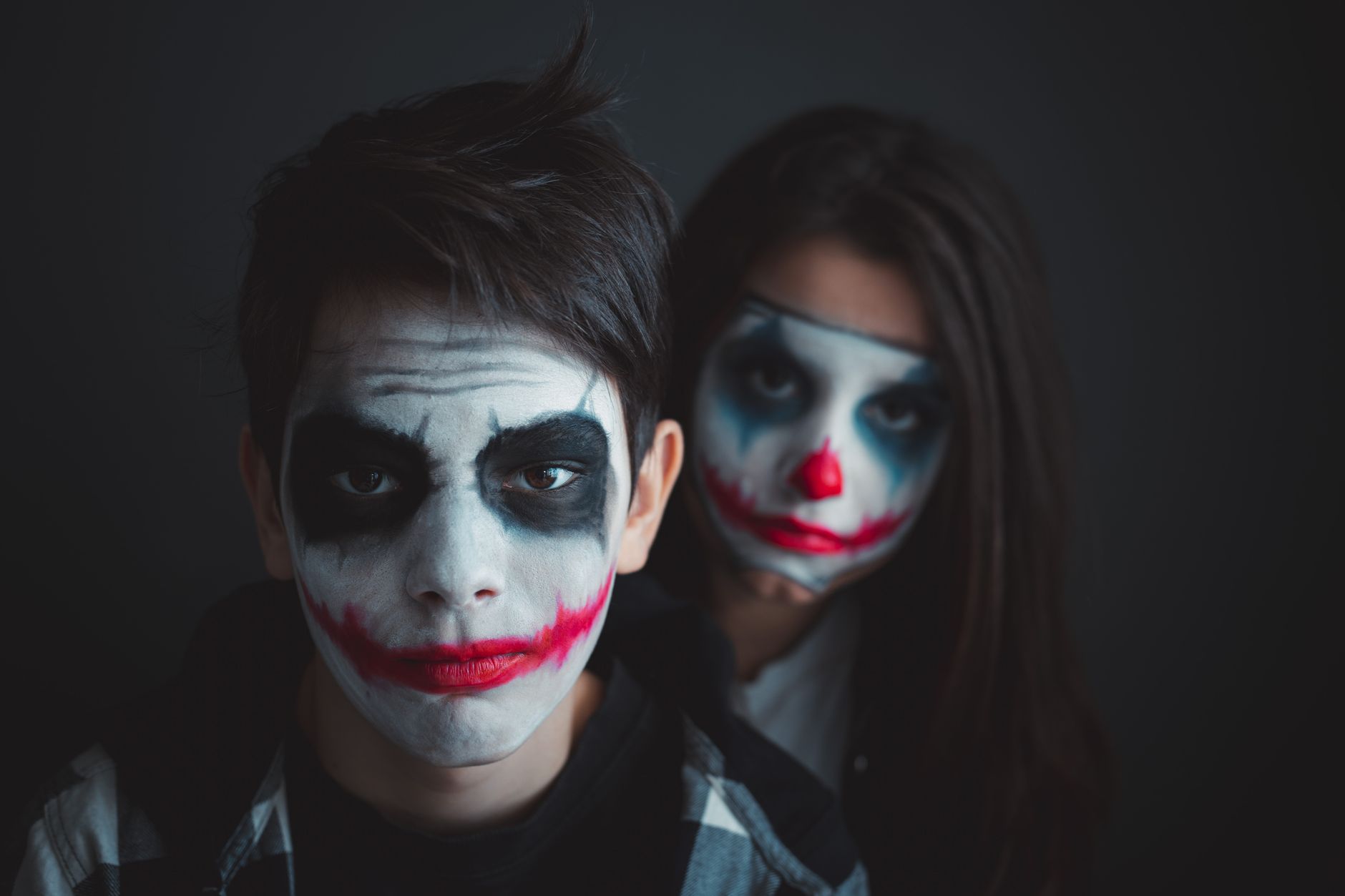
Most people treat Halloween makeup like a one-night exception to every skincare rule they follow the other 364 days a year — and that’s exactly where the trouble starts.
From bargain-bin face paint to full latex prosthetics, the products covering your face on October 31st are subject to the same FDA regulations as your everyday foundation. The rules are stricter than you think. And they’re routinely ignored.
What follows is what professional makeup artists know that party-store displays don’t tell you, starting with the biology of why your skin reacts badly in the first place.
Why Your Skin Doesn’t Know It’s a Holiday — The Science Behind Makeup Reactions
Your skin barrier processes pigments, adhesives, and solvents the same way every day of the year. Heavy pigment loads, occlusive formulas, and theatrical adhesives can trigger contact dermatitis within 6 to 24 hours of first exposure. Symptoms — redness, swelling, hives — often peak after you’ve already removed the product. Which is why people wrongly blame the remover.
Spirit gum, the adhesive used to attach beards, scars, and prosthetics, causes contact dermatitis in up to 15% of users according to dermatological case studies. The culprit is usually the resin base, not the alcohol carrier. Patch-testing 24 hours before Halloween isn’t optional advice — it’s the only way to know if you’re in that 15%.
FDA’s Surprisingly Strict Rules on Halloween Colors and Eye Makeup You’re Probably Ignoring
The FDA does not approve any color additives specifically for use on the skin around the eyes. That includes the vivid theatrical colors sold in Halloween sets marketed as “eye-safe.” Products labeled for the face are not automatically cleared for the orbital area, which has thinner skin, higher absorption rates, and direct proximity to mucous membranes.
Colored contact lenses without a valid prescription are a separate federal violation — not a gray area. The FDA classifies them as medical devices. Buying decorative lenses from a costume shop or online without a prescription risks corneal abrasion, infection, and, in documented cases, permanent vision loss.
Bold lip and face pigments must use only FDA-approved colorants. Many cheap imports don’t. A $2 face paint stick from an unverified brand may contain synthetic colorants unapproved for skin use in the U.S. — and that’s the concrete reason the price gap matters, not just marketing.
Drugstore Face Paint vs. Theatrical Greasepaint — What the $20 Price Gap Actually Buys You
Theatrical-grade greasepaint runs $8 to $25 per pan. Drugstore face paint typically costs $2 to $5. That gap isn’t marketing — it’s formulation.
| Feature | Drugstore Face Paint | Theatrical Greasepaint |
|---|---|---|
| Pigment concentration | Low–moderate | High |
| Wear time (hours) | 2–4 | 6–10+ |
| Setting required | Sometimes | Always (translucent powder) |
| Skin-grade testing | Variable | Standard (reputable brands) |
| Average cost per pan | $2–$5 | $8–$25 |
Greasepaint’s oil-and-wax base provides opacity in a single pass and stays flexible under expression lines, which is why it doesn’t crack during a four-hour party. Cheap face paints use high water content and low binders. They crack, crease, and fade fast — and they’re more likely to need touch-ups that involve reapplying product to already-irritated skin.
The Brands Professionals Actually Use and What Sets Them Apart from Party-Store Shelves
Ben Nye and Mehron have supplied Broadway productions and Hollywood film sets since the 1960s. That isn’t just heritage marketing — it reflects decades of formulation refinement under professional use conditions where consistency, skin tolerance, and longevity are non-negotiable. Both brands publish full ingredient lists and offer extensive shade ranges designed for diverse skin tones.
Snazaroo is a solid mid-tier option for water-activated Halloween makeup, particularly for children, and runs about $5 to $10 per compact. Kryolan — a German brand used across European theatre since 1945 — is harder to find at retail but worth ordering online for full-coverage work. So if you’re doing something ambitious, it’s worth the extra step.
Step-by-Step Application Order That Makes Looks Last All Night Without Creasing
Professional application follows a strict order. Skip a step and the whole look migrates by midnight.
- Primer: A thin layer of silicone or water-based primer fills pores and creates a surface greasepaint can grip.
- Base color: Apply greasepaint with a damp sponge in thin layers, building opacity rather than packing it on.
- Detail work: Use fine brushes for linework after the base is set, not before.
- Set with translucent powder: This is mandatory for greasepaint. Without setting, the oil base smears on contact.
- Sealant spray: A final makeup-setting spray adds water resistance. Budget 90 seconds for it to cure before going outside.
Safe Removal Techniques That Won’t Leave Your Skin Wrecked on November 1st
Removing prosthetics with isopropyl alcohol risks barrier damage at concentrations above 70%. Use 70% IPA at most — or better yet, a dedicated adhesive remover like Telesis Solvent or coconut oil, which breaks down spirit gum without stripping the acid mantle.
For greasepaint removal, cleansing balms and oil cleansers outperform makeup wipes. Wipes spread pigment across the face and require scrubbing, which irritates already-stressed skin. Apply the balm dry. Massage for 30 seconds, then rinse. Follow immediately with your usual moisturizer — the skin needs it after hours under an occlusive layer.
Latex Allergies, Prosthetics, and the Growing Market for Skin-Friendly Alternatives
Latex-free prosthetics now account for roughly 30% of the costume Halloween makeup market, a share that’s grown significantly as latex sensitivity has become better diagnosed. Silicone and foam latex alternatives from brands like Woochie and Cinema Secrets offer comparable blendability without the allergenic proteins found in natural rubber latex.
If you’ve ever reacted to latex gloves — even mildly — treat latex prosthetics as a hard no. Sensitization worsens with each exposure. And a facial reaction close to the eyes is not a manageable situation in a busy Halloween crowd.
Frequently Asked Questions About Halloween Makeup
Is Halloween face paint safe for skin?
It depends entirely on the brand and formulation. Reputable brands like Ben Nye, Mehron, and Snazaroo use FDA-compliant colorants and publish full ingredient lists. Cheap, unbranded face paint — especially imports — may contain colorants not approved for skin use in the U.S. Always check the ingredient list and patch-test 24 hours before use.
How do you remove Halloween makeup without irritating skin?
Use a cleansing balm or oil cleanser rather than makeup wipes, which require friction and spread pigment. For adhesive residue, 70% isopropyl alcohol or a dedicated solvent like coconut oil works effectively. Finish with a gentle moisturizer to restore hydration lost under heavy coverage.
What are the best Halloween makeup brands for sensitive skin?
Snazaroo is a strong choice for water-activated formulas with a mild ingredient profile, especially for children. Ben Nye’s water-activated line is well-tolerated by most skin types. If you have documented latex or adhesive sensitivity, silicone-based prosthetics and spirit gum alternatives are worth the slightly higher upfront cost.
The One Night That’s Worth Taking Seriously
Halloween makeup can be genuinely spectacular — the theatrical artists behind iconic film looks spent decades mastering these techniques. The difference between a look that photographs beautifully and one that sends you home early with swollen eyelids is almost always preparation: the right products, a 24-hour patch test, and a real removal plan for November 1st. Spend $15 more on formulation and $0 on a dermatology visit. That’s a trade worth making.
For more pieces like this one, browse the rest of our Style coverage.