
Accountants Have a Website Problem Nobody Talks About

Ask ten people how they chose their accountant and at least seven will say some version of someone recommended them. Referrals are the lifeblood of the accounting profession and always have been. The problem is that referrals have changed. When someone gets a name from a friend today the very next thing they do is search for that person online. What they find in the next ninety seconds determines whether they ever make contact.
For most accounting practices that ninety second window is being wasted. A logo, a list of services, a stock photo of a calculator or a handshake, and a contact form. Nothing that differentiates, nothing that builds trust, nothing that gives a potential client any reason to feel that this particular firm understands their particular situation. The referral does half the work and the website undoes it.
Enter Pro is one of the platforms accounting professionals are using to build a presence that actually supports the reputation they have spent years building through their work. For practitioners who want precise control over how service pages, client resource sections, or financial guides are structured and presented, having a free code editor within the platform means those details are handled without outsourcing every small adjustment.
Why Accounting Websites All Look and Sound the Same
The homogeneity of accounting firm websites is remarkable. Visit twenty of them and you will find the same services listed in the same order, the same language about accuracy and reliability and peace of mind, the same stock imagery of people looking at spreadsheets, and the same complete absence of any distinctive personality or point of view.
This sameness is not accidental. It comes from a professional culture that has historically treated marketing with some suspicion and from a genuine uncertainty about how to differentiate services that appear functionally identical at the surface level. If everyone does bookkeeping and tax returns, what is there to say that someone else has not already said?
The answer is not in the services themselves. It is in who you serve, how you serve them, what you understand about their specific situation, and what it actually feels like to have you in their corner during the complicated financial moments of running a business or managing personal wealth.
Targeting Life Events Instead of Service Categories
Most accounting websites are organized around service categories. Tax returns. Bookkeeping. Payroll. Business advisory. These categories make sense from the accountant’s perspective because they map to how the work is structured internally.
From a client’s perspective they are almost meaningless. A person does not wake up thinking they need bookkeeping. They wake up thinking they just started a business and have no idea what their financial obligations are. Or they are thinking about selling a property and want to understand the tax implications. Or they just got married and need to figure out whether to file jointly. Or their business has grown to the point where the spreadsheet they have been using since day one is no longer working.
These are life events and financial inflection points, and organizing at least some of your website content around them rather than around your service menu speaks directly to what people are actually experiencing when they go looking for an accountant. A page titled “Just started a business? Here is what you need to know about your finances” will bring in more relevant traffic and convert more visitors than a page titled “Business Services” every single time.
Choosing a Platform That Supports Content-Heavy Professional Sites
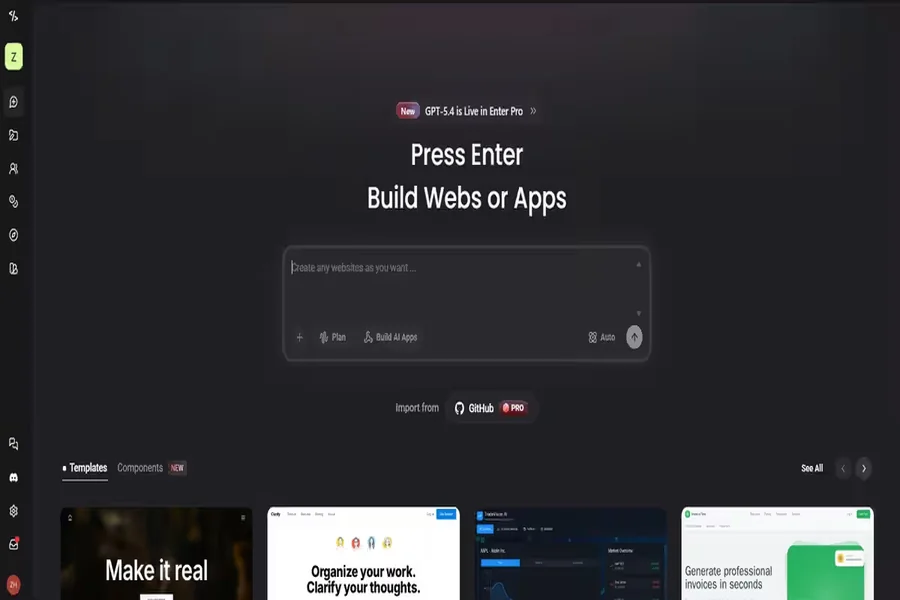
Accounting websites that work well tend to be content rich. Guides, explainers, calculators, resource libraries, regular updates on tax changes and regulatory deadlines, all of this creates the kind of ongoing useful presence that keeps a firm visible and trusted throughout the year rather than just during tax season.
A platform that handles this volume of content gracefully, with clean navigation, reliable search functionality, and a publishing workflow that does not make adding a new article feel like an ordeal, is genuinely important for a practice serious about building a content strategy.
Working through a careful comparison of the best website maker options with a content-driven professional services model in mind will highlight which platforms are genuinely built for this kind of ongoing content management and which ones make it unnecessarily complicated. The ability to organize content logically, keep it current, and make it easy for visitors to find what is relevant to their situation is not a secondary consideration for an accounting firm website. It is central to whether the site does useful work year-round or just sits there between April and the following March.
Demystifying Financial Concepts as a Trust-Building Strategy
One of the most underused assets an accounting firm has is the ability to explain things clearly. Most people find financial concepts confusing, slightly intimidating, and difficult to navigate without help. An accountant who can take something that feels complicated and make it genuinely understandable is providing real value before a single billable hour is logged.
Publishing that kind of explanatory content on your website does several things simultaneously. It demonstrates expertise in a way that is immediately useful rather than just claimed. It builds trust with people who are in the early stages of researching their options and not yet ready to commit. It brings in search traffic from people asking exactly the questions your content answers. And it establishes your firm as one that communicates clearly and treats clients as intelligent adults rather than people to be managed.
The firms that consistently attract better quality clients at higher fee levels are disproportionately the ones that have built a reputation for clarity, and a website is where that reputation gets established at scale.
The Tax Season Traffic Problem and How to Solve It
Most accounting firm websites see a dramatic spike in traffic between January and April and relative quiet for the rest of the year. This pattern is so normalized in the profession that most firms accept it as simply the nature of the business.
It does not have to be. The financial events that create demand for accounting services are not confined to tax season. Business formation happens year-round. Property transactions happen every month. Payroll questions arise whenever a business hires its first employee. Inheritance and estate questions have no season at all.
A website with content organized around these year-round events captures traffic and generates inquiries throughout the year rather than concentrating everything into a few months. It also changes the nature of the client relationship from reactive and seasonal to proactive and ongoing, which is the direction most accounting practices want to move in commercially.
Building Trust Around the Most Personal Subject There Is
Money is deeply personal. More personal in many ways than health, more loaded with emotion and identity than most people acknowledge openly. Choosing someone to help you manage it, understand it, or navigate it through a difficult period requires a level of trust that most accounting websites do nothing to earn.
The practices that build that trust online do it through radical clarity about who they work with and how, through genuine warmth in the language they use, through showing the real people behind the firm in a way that makes them feel approachable rather than corporate, and through content that consistently demonstrates they understand the anxieties and aspirations of the specific people they serve.
Enter Pro gives accounting practices enough flexibility to build a site that feels genuinely human rather than defaulting to the generic professional presentation that makes most accounting websites indistinguishable from one another. That distinctiveness is not cosmetic. In a profession where trust is everything and differentiation is genuinely difficult, it is one of the most commercially valuable things a practice can build.
Conclusion
Accounting is a profession built on the quiet accumulation of trust over years of reliable, careful work. A website worthy of that trust does not need to be flashy or complicated. It needs to clearly communicate who you help, demonstrate that you understand their situation before they explain it, and give them enough confidence in your expertise and your character to pick up the phone or fill out a contact form. The referral gets them to your website. What happens there determines whether they become a client.