
Curly Hairstyles Women Should Choose by Curl Type 2024
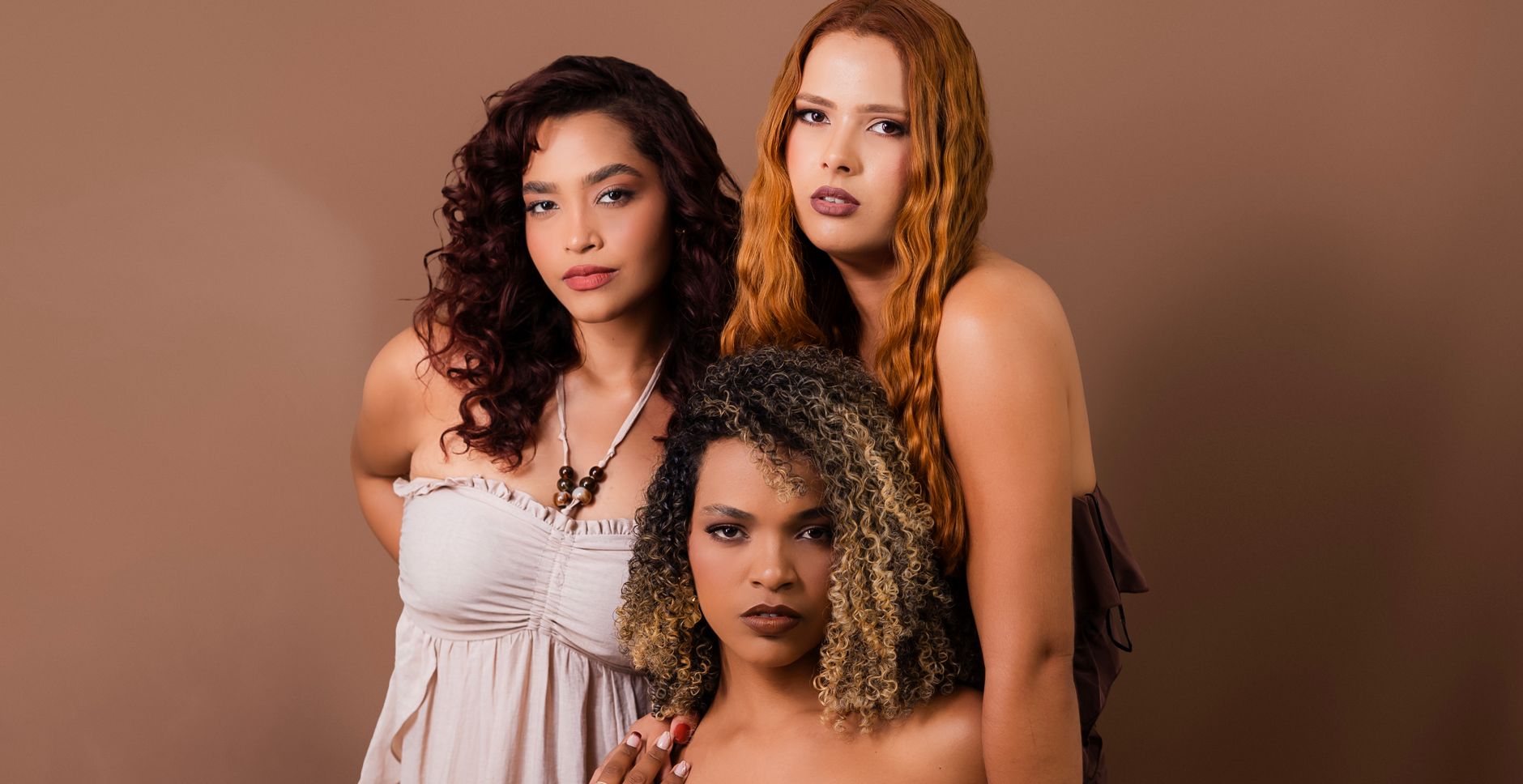
The best curly hairstyles women can wear aren’t the ones going viral on Pinterest — they’re the ones that work with your specific curl pattern. That single shift in thinking changes everything. Meet Daniela, a 3B-curl woman who spent three years chasing a wash-and-go look pulled from a 4A-curl influencer’s feed. Her results were always a poofy, undefined mess. Once she stopped copying inspiration photos and started styling for her actual curls, her hair looked transformed in a week.
Curl pattern determines how moisture moves through the strand, how much shrinkage you’ll see, and which cuts actually hold shape. Picking a style purely from a photo skips all of that. So before you book a salon or buy another product, let’s fix the foundation.
The Curl Typing System Every Woman Needs Before Picking a Hairstyle
Andre Walker — Oprah’s long-time stylist — developed the curl typing system that most professionals still use today. It runs from 2A (loose beach wave) to 4C (tightly coiled, no visible curl definition). Each number-letter combo behaves differently under moisture, heat, and product weight.
| Type | Pattern | Key Challenge |
|---|---|---|
| 2A–2C | Wavy, S-shape | Goes flat or frizzy easily |
| 3A–3C | Loose to corkscrew curls | Frizz, dryness, shrinkage |
| 4A–4C | Coily to tightly kinked | Severe shrinkage, moisture loss |
Daniela’s mistake was comparing her 3B corkscrews to a 4A coil. The patterns shrink differently, respond to products differently, and need completely different cuts. Knowing your type is step one — not step three.
Best Curly Hairstyles for Wavy Hair (Types 2A, 2B, 2C) That Won’t Go Limp
Wavy hair is the most susceptible to going limp. The curl is shallow enough that product weight kills it fast. Stick to lightweight stylers — a small amount of mousse or a curl-enhancing spray, nothing cream-heavy. Long layers work exceptionally well here because they let the wave move rather than pulling it straight under its own weight.
For 2C specifically, a lob cut at collarbone length is one of the most forgiving shapes. It removes bulk from the perimeter — exactly where 2C waves want to frizz. Air-drying is tempting, but a diffuser cuts frizz by up to 50% compared to letting hair dry on its own. That number holds consistent across multiple stylist trials and brand studies. Short, low-heat diffusing beats a towel every single time.
Defined Looks for Corkscrew and Spiral Curls (Types 3A–3C) Without the Frizz
This is Daniela’s zone. Type 3 curls are defined enough to look intentional but porous enough to suck up humidity and revert to frizz within an hour. The LOC method — Liquid, Oil, Cream — is the most reliable layering system for sealing moisture in. You apply a water-based leave-in first, then a lightweight oil (argan or jojoba) to seal, then a curl cream on top to lock everything in place.
Order matters. Reversing it — cream before oil, say — creates a barrier that stops water from penetrating the strand at all. Daniela tried LOC in reverse for months before a curly specialist corrected her. The difference was immediate.
For cuts, a DevaCut is worth considering. Specialty salons charge $75–$150 for this dry-cutting technique, which shapes each curl individually rather than cutting straight across wet hair. It’s expensive. But one good DevaCut can eliminate the triangle-head shape that plagues type 3 cuts done at conventional salons — and that alone justifies the price for a lot of women.
Volume, Shrinkage, and Shape: Styling Strategies for Coily and Kinky Hair (Types 4A–4C)
Coily hair can shrink 50–75% from its actual stretched length. A 4C woman with shoulder-blade-length hair might see a shrunken style sitting at her ears. That’s not damage. That’s physics. But it does mean length-based hairstyle goals need a reality check.
Protective styles like twist-outs retain up to 90% moisture compared to a daily wash-and-go, making them a genuinely better choice for both health and definition. Twist-outs also reveal length without manipulation. And for volume-seekers, a tapered afro or a high-puff style works with the natural shape rather than against it. Fighting coily hair’s structure is always a losing game.
The Hottest Curly Hairstyle Trends Women Are Actually Wearing in 2024
Curtain bangs on curly hair spiked 340% on Pinterest in 2024. It’s a legitimate trend — and one that actually works across types 2C through 3C because the center part and side-sweep frame the face without requiring the bangs to lie flat. For type 4 hair, a stretched, twisted bang version achieves a similar effect. So it’s not just a straight-hair moment.
Bixie cuts (a cross between a bob and a pixie) on curly hair are everywhere right now. The natural volume of curls fills out the shape in a way that straight hair simply can’t replicate. And lived-in, second-day curly hairstyles women used to hide under hats? Those are now being styled intentionally. That shift feels overdue.
Tools, Cuts, and Products That Make or Break Any Curly Hairstyle
A diffuser attachment is non-negotiable. So is a wide-tooth comb or a detangling brush — never a fine-tooth comb on dry curls. Beyond that, three product categories actually matter: a sulfate-free hydrating shampoo, a deep conditioner used weekly, and a hold-giving styler matched to your curl type’s weight needs. That’s it. The rest is noise.
For cuts, find a stylist who works on curly hair regularly. A conventional stylist cutting wet, straight sections will remove length but not bulk in the right places. That’s the opposite of what most curly hair needs.
Frequently Asked Questions
What curly hairstyle suits my face shape?
Face shape matters less than curl type for most women. That said, oval faces can carry almost any curly style. Round faces benefit from volume at the crown rather than the sides — think height, not width. Square faces do well with longer layers that soften the jaw. Start with your curl type first, then adjust the silhouette for your face.
How do you style curly hair without frizz?
Apply all products to soaking-wet hair. Not damp. Soaking. Use the LOC method in the correct order. Diffuse on low heat rather than air-drying. And avoid touching your curls while they dry — every touch breaks the curl clump and introduces frizz. It’s that last habit that undoes most styling routines.
What is a DevaCut and is it worth it?
A DevaCut is a dry-cutting technique performed curl by curl, shaping hair in its natural state rather than pulling it wet and straight. At $75–$150 per session at specialty salons, it costs more than a standard cut. But for type 3 curls especially, it’s worth it at least once — the shape it creates is genuinely difficult to replicate with wet-cutting methods.
Matching Your Style to Your Actual Curls
Daniela’s story ends well. She got a DevaCut, committed to the LOC method, and stopped comparing her 3B hair to 4A inspiration boards. Her curls didn’t change — her approach did. And that was enough. The best curly hairstyles women wear aren’t the trendiest ones or the most-saved ones. They’re the ones built around real curl patterns, real tools, and honest expectations about shrinkage and texture. Start there, and the rest follows naturally.
For more pieces like this one, browse the rest of our Style coverage.