Transform Your Ideas into AI Videos and Images
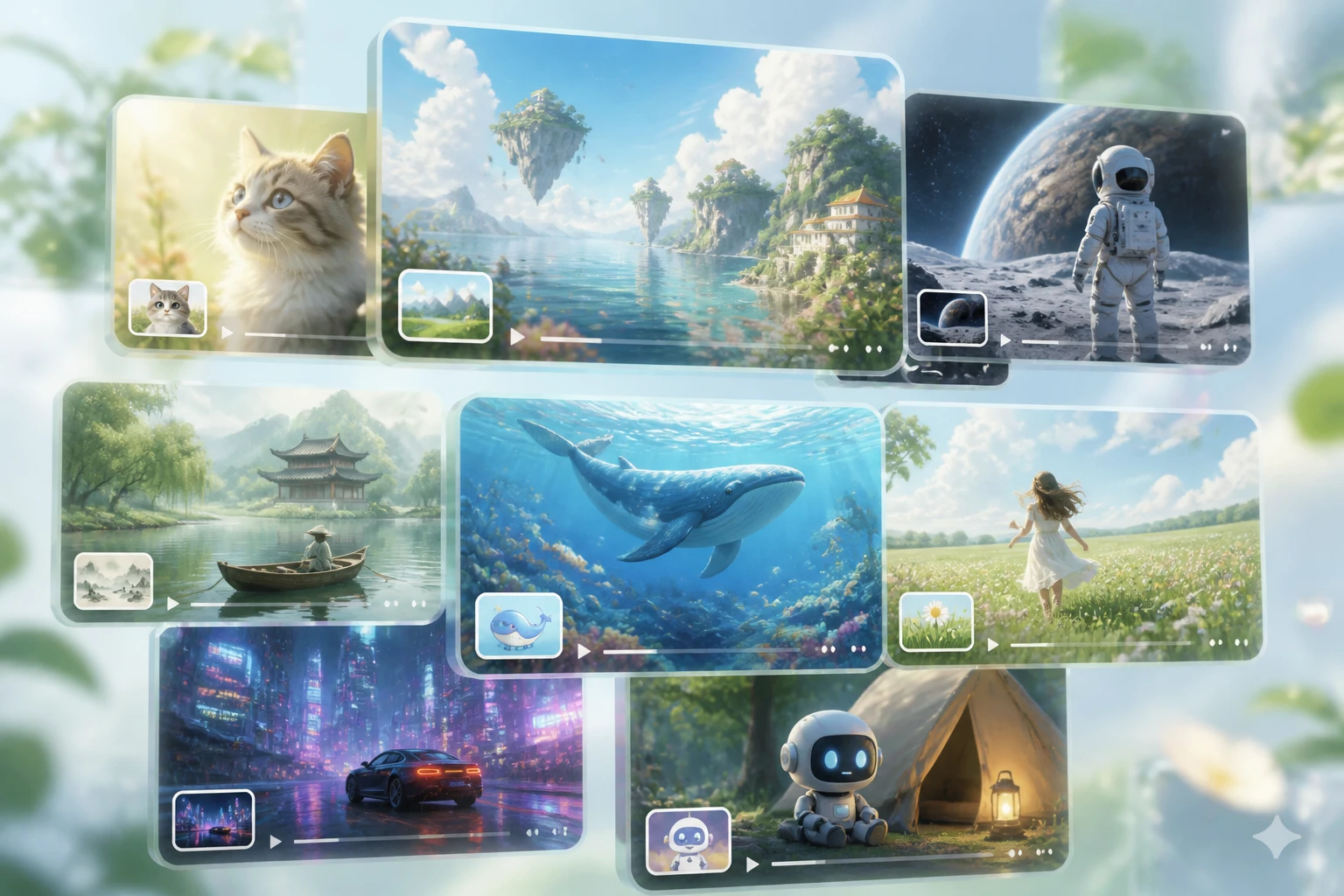
You have a brilliant idea for a story or a product, but you do not have the technical skills to draw or film it. This is a common hurdle for many people who want to share their vision with the world. In the past, you would need to hire a professional team or spend years learning complex software to make something look good. Now, you can use artificial intelligence to bridge that gap and produce high quality content in minutes. You can easily bring ideas to life through video by using simple text prompts that describe exactly what you want to see on the screen.
Visual content is the most effective way to grab someone’s attention in a crowded online space. If you already have a basic photo but it does not look quite right, you can create new visuals from existing images to change the style, lighting, or background. This technology allows you to act as a director or a lead designer without needing a massive budget. You just need to know how to describe your vision clearly so the AI can understand your intent.
Small Business Marketing Scenarios
Small business owners often struggle to create professional advertisements because production costs are so high. A local coffee shop might want a video showing steam rising from a fresh cup of coffee in a cozy, snow covered cabin. Hiring a film crew for this single shot would cost thousands of dollars. With AI, the owner can type a description of the scene and generate a realistic video clip in seconds. This allows small brands to compete with much larger companies by producing high quality visual ads for social media.
Another marketing scenario involves product photography. A clothing brand might have a photo of a shirt on a plain mannequin. They can use AI to place that shirt on a model standing in a sunny park or a busy city street. This helps customers visualize how the product looks in real life settings. It saves the business from organizing expensive photo shoots every time they release a new item. The ability to swap backgrounds and models quickly means the marketing team can test different looks to see which one gets the most clicks.
Educational and Training Scenarios
Teachers and corporate trainers often find that long blocks of text do not keep students engaged. Complex ideas are much easier to understand when they are paired with clear visuals. For example, a history teacher can generate a short video showing what a Roman marketplace might have looked like. Instead of just reading about history, students can see the colors, the clothing, and the movement of the era. This makes the lesson more memorable and helps students who learn better through seeing rather than reading.
In a corporate setting, safety training can be quite dry. A company can use AI to create short, engaging animations that demonstrate proper safety procedures. Instead of using old, grainy footage, they can generate modern visuals that reflect their specific workplace. This keeps employees focused and ensures that important information is actually absorbed. Using AI to create these visuals is much faster than traditional animation, which means training materials can be updated whenever a new policy is introduced.
Personal Branding and Content Creation
Social media influencers and bloggers need a constant stream of fresh content to keep their audience interested. It is difficult to take new, high quality photos every single day. An influencer can take one good photo of themselves and use AI to transform it into various styles. They might turn a standard portrait into a piece of digital art or a 3D character. This variety keeps their feed looking interesting without requiring them to spend all day taking pictures.
Creative writers also benefit from these tools. A novelist might have a specific vision for a character or a setting but cannot draw. They can use AI to generate a visual representation of their protagonist to share with their readers. This helps build a stronger connection between the audience and the story. It also helps the writer visualize their own world more clearly, which can lead to better descriptions in their writing.
Benefits per Scenario
Marketing Benefits
The primary benefit for marketing is the massive reduction in cost and time. You no longer need to wait weeks for a production house to return a finished video. You can iterate on ideas instantly. If a specific ad is not performing well, you can generate a new version with a different background or tone in a few minutes. This agility is vital in a fast paced market where trends change every week.
Educational Benefits
For education, the main benefit is improved comprehension. Visuals break down barriers to learning. When a student sees a visual representation of a scientific process, like cell division or planetary motion, the concept sticks. AI allows educators to create custom visuals that fit their specific curriculum perfectly, rather than relying on generic stock photos that might not be accurate.
Personal Branding Benefits
In personal branding, the benefit is consistency and creativity. You can maintain a specific aesthetic across all your platforms by using AI to apply the same style to different images. It also allows for a level of creativity that was previously impossible for non artists. You can experiment with surreal or futuristic themes that would be too difficult to capture with a standard camera.
Comparison of Use Cases
|
Scenario |
Primary Tool |
Key Benefit |
| Small Business Marketing | Video Generation | Lower production costs and faster testing |
| Educational Content | Image Creation | Higher student engagement and better clarity |
| Personal Branding | Style Transformation | Unique aesthetic and constant content flow |
| Corporate Training | Animation Tools | Quick updates to safety and policy guides |
| Creative Writing | Character Generation | Better world building and audience connection |
Practical Workflow for AI Content Creation
The first step in any AI project is defining your core concept. You need to have a clear idea of what you want to achieve before you start typing. Think about the mood, the colors, and the specific objects you want in the frame. A vague prompt like a dog in a park will give you a generic result. A specific prompt like a golden retriever running through a park at sunset with autumn leaves falling will give you a much more focused and professional result.
Once you have your concept, you need to choose the right tool for the job. Some tools are better at realistic photography, while others excel at cinematic video or stylized art. You should experiment with a few different platforms to see which one matches your personal style. After you generate your first set of results, do not expect them to be perfect right away. AI creation is an iterative process. You will likely need to tweak your prompt several times to get the exact look you want.
After you have a visual you like, you can refine it further. This might involve using an image to image tool to adjust the details or an upscaler to improve the resolution. If you are making a video, you might need to generate several short clips and join them together using a simple editing program. Adding music or a voiceover can then turn these AI generated clips into a complete, professional story.
The final step is to review the content for any errors. AI can sometimes make mistakes with small details like fingers or background textures. You can usually fix these by regenerating a specific part of the image or using a basic photo editor. Once you are happy with the final product, you can share it across your platforms. The entire process, from idea to finished product, can often be completed in less than an hour.
Conclusion
Transforming your ideas into visual media is no longer a task reserved for experts. The rise of AI tools has democratized creativity, allowing anyone with a good idea to become a creator. Whether you are trying to sell a product, teach a class, or tell a personal story, these tools provide a way to communicate more effectively. By understanding the different use cases and following a simple workflow, you can produce content that looks professional and engages your audience. The only limit now is your own imagination. Start experimenting with these tools today and see how quickly you can turn your thoughts into reality.