
3 Days In Tokyo Itinerary For A Fast And Fun Trip
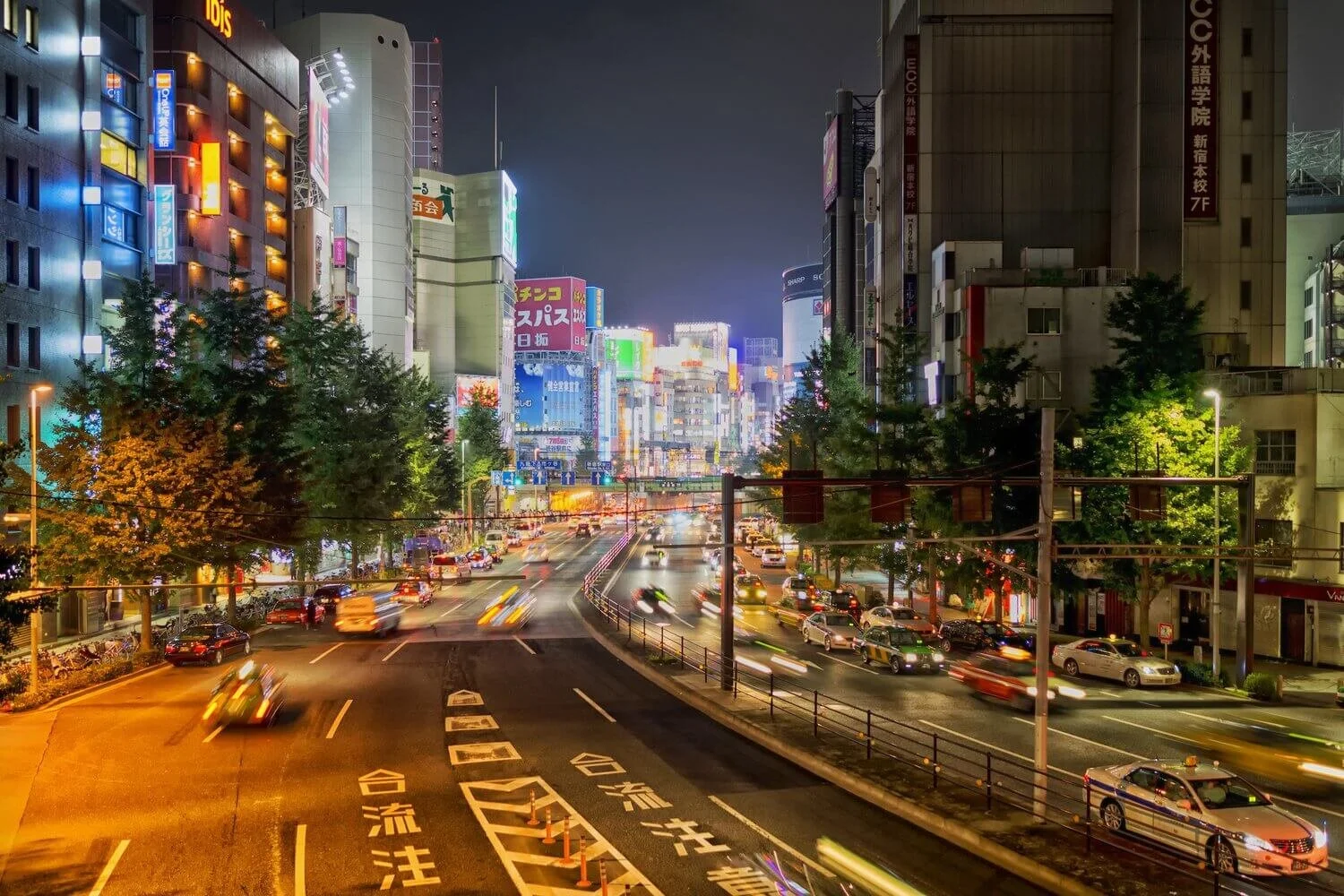
Landing in Japan is a wild shock to the system. The capital city is overwhelmingly massive. It stretches out endlessly in every single direction. Millions of people rush through the local train stations every morning. In May 2026, the tourist crowds are bigger than ever. People show up with absolutely no plan. They spend half their vacation just staring at complicated subway maps in total panic. A worn-out traveler will quickly hit a wall of exhaustion. The bright neon lights and loud arcade music can fry a brain. A solid plan is totally necessary. Attempting to see the whole city in a weekend is impossible. A smart visitor picks a few key neighborhoods and ignores the rest. This 3 days in Tokyo itinerary strips away the unnecessary fluff. It focuses on the giant crosswalks, the quiet wooden temples, and the cheapest bowls of hot noodles.
Day One In Shinjuku And Shibuya
The west side of the city is purely chaotic energy. A good trip should start right in the madness. Shinjuku is a wild jungle of concrete and bright signs. The local train station is a literal maze. Folks easily get lost inside for hours. Stepping outside feels like walking onto a futuristic movie set. Giant 3D billboards play loud, colorful commercials. Hidden alleyways sell cheap meat skewers over hot charcoal.
Just a few stops south sits Shibuya. This area holds the most famous street crossing on earth. When the traffic lights turn red, a thousand people walk into the street at once. It is an ocean of umbrellas and fast walking commuters. Tourists stand on the corners holding their phones high to record the chaos. Behind the busy crossing are narrow streets packed with wild youth fashion. A traveler should just wander the back streets. Getting slightly lost is part of the fun. Grab a canned hot coffee from a vending machine and watch the madness unfold.
Day Two In Asakusa And Ueno
Day two requires a complete change of pace. The east side of town holds onto the old history. Asakusa is home to a massive ancient temple. A giant red paper lantern hangs over the main entrance gate. Walking up to the temple means passing dozens of tiny snack stalls. They sell sweet red bean cakes shaped like fish. The smell of burning incense floats through the air.
Just a short walk away is Ueno. This area has a giant, beautiful public park. Older folks sit on wooden benches and watch the birds. The park holds incredible museums filled with old samurai swords and painted screens. Right next to the train tracks sits a loud, dirty street market. Fishmongers yell out prices for fresh crab legs. It is gritty and loud. It feels completely different from the clean luxury of the west side. The main temple gets insanely crowded by noon. A smart tourist arrives at eight in the morning to beat the massive bus tours.
Sights You Simply Cannot Miss
- The quiet forest paths inside the central shrine park.
- The scramble crossing during a heavy rainstorm.
- The old wooden gates at the oldest city temple.
- The loud electronics district filled with arcade games.
- The tiny alleyways smelling like grilled chicken.
Day Three In Akihabara And Ginza
The final day mixes nerdy obsessions with extreme luxury. Akihabara is known as the electric town. It is the absolute center of the universe for video games and cartoon fans. Buildings are plastered with giant anime characters. Maid cafes blast loud pop music into the busy streets. Multistory arcades are packed with folks aggressively playing rhythm games. A visitor does not need to understand the games to enjoy the spectacle. The high energy is incredibly infectious.
A few train stops away is Ginza. The vibe changes instantly. This is the luxury shopping district. Women carry designer bags that cost more than a used car. The giant department stores have basement food halls. They sell fifty-dollar melons in perfect wooden boxes. On weekends, the police block the main street from cars. Shoppers walk straight down the middle of the empty road. It is a great place to sit at an expensive cafe and watch the rich locals pass by.
Eating Hot Food On A Budget
Eating out does not have to break the bank. The expensive sushi restaurants charge hundreds of dollars for a quiet meal. A budget traveler skips those fancy spots entirely. Convenience stores are the ultimate food hack. A local 7-Eleven sells fresh rice balls wrapped in crispy seaweed for almost nothing. They have hot fried chicken sitting right near the register. Office workers buy this cheap food every single day.
Ramen shops are everywhere. A hungry customer buys a paper ticket from a vending machine outside the door. They hand the ticket to the chef and sit at a cramped counter. A giant bowl of hot pork broth and noodles appears in minutes. It costs less than ten bucks. Nobody talks while eating. Everyone just slurps their hot noodles loudly. Slurping is actually considered polite. Belt sushi is another cheap trick. Plates of raw fish roll past on a mechanical belt. A diner just grabs whatever looks good. It is fast, fresh, and incredibly cheap.
Mastering The Huge Subway Map
Looking at the train map causes instant headaches. It looks exactly like a pile of colorful spaghetti. Do not panic. The station signs are everywhere and printed in clear English. A visitor must buy a hard plastic transit card or load a digital one on their phone. Tapping the phone at the gate is magical. The doors fly open without dealing with loose coins.
The commuter trains run constantly. Waiting for a train takes only three minutes. During morning rush hour, the cars are packed incredibly tight. Station guards literally push people inside to close the doors. A tourist with a giant suitcase will ruin everyone’s peaceful commute. Avoid the trains at eight in the morning. People do not talk on their phones while riding. The silence is perfectly golden. Following the painted colored lines on the floor makes changing trains very easy.
Finding High And Free Viewpoints
The city looks best from high above. Staring at the endless grey buildings is very humbling. The giant television towers charge a steep entry fee. The ticket lines are terribly long. Tourists waste hours just waiting for an elevator ride.
The smart move is heading to the government office building in Shinjuku. It has two massive towers. The elevators are completely free. They shoot up to the observation deck in seconds. On a clear winter morning, a lucky traveler can see the white peak of Mount Fuji in the distance. Going up at night is also incredible. The city turns into a glowing red ocean of car tail lights and neon signs. It feels exactly like a sci-fi movie. Grabbing a cheap beer from the convenience store and sitting by the high window is a perfect travel moment.
Sleeping In Small Clean Pods
Hotels in the city center are expensive and tiny. A standard hotel room barely has space to open a big suitcase. For a short trip, a capsule hotel is a hilarious and cheap option. A traveler sleeps in a small plastic tube stacked on top of other tubes. It looks like a spaceship. The pods have a small TV and a reading light.
Bathrooms are shared down the hall. Guests get a secure locker for their bags. It is perfectly clean and very quiet. It is a brilliant way to save cash for a solo traveler. Couples might prefer a standard business hotel. Business hotels offer stiff beds and tiny plastic bathrooms. They are cheap and always located right next to a train station. Location beats luxury on a short trip. Spending an hour on a train just to get back to a fancy room is a waste of precious vacation time.
Wrapping Up A Wild Japanese Trip
Three days is barely enough time to scratch the surface. This city moves at lightning speed. It honors deep traditions while building crazy robots. Sticking to a solid 3 days in Tokyo itinerary saves a lot of headaches. Do not try to see twenty temples in one afternoon. Pick a busy area, grab a cheap rice ball, and just watch the people. The locals are polite and the streets are spotless. The trains will always run on time. Throw away the complicated plans. Just embrace the loud, bright, and delicious chaos of the capital.
FAQs
Is it difficult to order food without speaking Japanese?
No. Many cheap restaurants use ticket vending machines with pictures. A traveler just pushes the button for the food that looks good.
Are credit cards accepted everywhere now?
Most large stores and hotels take cards. However, tiny noodle shops and old temples still only accept paper cash and coins.
Is there a lot of public trash cans on the street?
Trash cans are incredibly rare. Folks must carry their empty wrappers in their pockets until they find a convenience store bin.
Is it considered rude to eat while walking down the street?
Yes. Locals do not walk and eat. If a person buys a snack from a street stall, they stand near the stall to finish it.
Can a tourist use the bullet train for short trips in the city?
Bullet trains are for long trips between different cities. The local subway lines and commuter trains handle all the trips within the city limits.