
The Long-run Aggregate Supply Curve And Your Map To Economic Growth
Economics often sounds like a totally foreign language. Experts love using massive words to describe very simple things. They just want to sound incredibly smart to everyone else. They also draw messy charts that look like thrown spaghetti. But underneath all that loud noise, the core ideas are just basic common sense. Watching professionals overcomplicate simple things gets really exhausting quickly. Look, we just need to stick strictly to the actual facts.
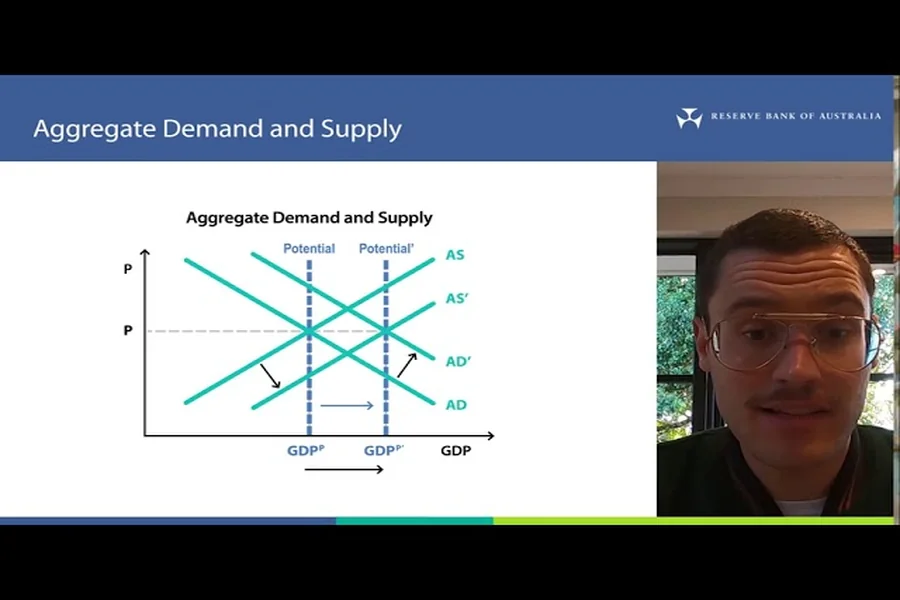
One of those big facts is how a whole country makes stuff. This brings us to a massively important concept. The long-run aggregate supply curve is exactly what it sounds like. It acts as a helpful map of total national production. You will usually see it drawn as a straight line on a graph. It strongly shows the absolute maximum amount of goods a country can make. This assumes every available worker currently has a job. It also assumes every single machine is running perfectly. Basically, it represents the absolute physical ceiling of a nation’s wealth.
Breaking Down The Confusing Name
Let us easily break down this very annoying name first. The weird word aggregate just means total. It simply means adding everything together in a giant pile. Supply is all the physical stuff people actively make. The long run means a long period of time where the dust has finally settled. In the long run, all prices have plenty of time to adjust perfectly.
Imagine a giant shoe factory in your town. This specific factory has exactly one hundred skilled workers. It also has exactly fifty sewing machines. If everyone shows up and works a full daily shift, they make one thousand shoes. That specific number is their absolute limit. They cannot magically create two thousand shoes out of thin air. They simply do not have the extra machines for it.
Now, imagine the entire country operates exactly like that one factory. Instead of just shoes, the country builds fast cars, bakes fresh bread, and constructs warm houses. When you add every single thing together, you get the grand total supply. This famous line is just a picture of that grand total. It shows what the country is physically capable of doing. Actually, it shows the real economic horsepower of a whole nation.
Why The Line Stands Perfectly Straight
If you look at this chart in a boring textbook, it looks weird. It is a perfectly straight vertical line. It points straight up and down on the paper. Most charts in economics slope one way or the other. But this specific line absolutely does not. There is a very good reason for this strange shape. Interestingly, it can be a bit frustrating to grasp at first.
In the real world, prices change all the time. Sometimes a loaf of bread costs two dollars. Later, it might unexpectedly cost four dollars. But in the grand scheme of things, money is just printed paper. If the price of everything magically doubles tomorrow, wages usually double too. The factory sells its shoes for twice as much cash. But the factory also pays its workers twice as much. The raw leather also completely doubles in price.
At the end of the day, the factory makes the exact same true profit. Because the real profit stays exactly the same, the factory has absolutely no reason to change. They do not want to make more shoes. They do not want to make fewer shoes. They just happily keep producing their maximum normal amount. This exact thing happens across the entire country. Changing prices do not change the physical number of factories. Because of this, the line stays perfectly straight. It totally ignores daily inflation over a long period.
Pushing The Line To The Right
A straight vertical line might seem a bit boring to look at. It almost seems like a country is stuck in one spot forever. But the line can actually move over time. Pushing this strict boundary to the right is the holy grail of economics. When the marker moves right, the whole country gets much richer.
Moving the boundary simply means the country can produce way more stuff than it did yesterday. Politicians usually loudly call this economic growth. It is the absolute best way to raise the standard of living for everyday people. You simply cannot print more paper money to get rich. Printing extra cash just causes highly annoying inflation. You strongly have to physically build more useful things.
So, how do we successfully move it? There are a few proven ways to shove that line to the right.
- Finding brand new sources of totally cheap energy.
- Inventing much faster and smarter computers.
- Building much safer roads and stronger bridges.
- Adding more energetic young people to the daily workforce.
- Training older workers to be significantly smarter.
When a country successfully does these specific things, the national “factory” gets a huge upgrade. Suddenly, the exact same number of people can make twice as many goods. The vertical line takes a massive step to the right. Everyone gets to enjoy way more overall wealth. End of story.
The Real Value Of A Smart Workforce
Let us clearly talk about the actual people doing the hard work. Economists usually call this human capital. It is a very sterile term for a truly beautiful thing. It just means the amazing knowledge sitting inside a human brain.
A person holding a simple shovel can safely dig a small hole. Another person who knows how to drive a massive excavator can easily dig fifty holes. The second person is vastly more productive. They did not suddenly get stronger muscles. They just got significantly smarter. Education is absolutely the best way to grow an economy.
When a country happily invests heavily in good schools, pure magic happens. Young kids learn advanced math or cool computer coding. They quickly grow up to become super-workers later in life. A single software engineer can write a brilliant computer program. That one program might easily do the work of a thousand old machines. Brain power is the absolute ultimate natural resource. It is completely, totally renewable. Watching a nation ignore its schools is a massive tragedy. It pretty much guarantees the economy will stay stuck forever. Smart workers build a wealthy country. It really is that simple.
Tractors And Heavy Machinery
Humans are completely amazing creatures. But our physical bodies are actually quite weak and fragile. We get totally tired very quickly. We desperately need hours of sleep. This is exactly where physical capital steps in to save the day. Physical capital simply means helpful tools, fast computers, smart robots, and large factories.
Think about farming a hundred long years ago. It took fifty tired men all day to harvest one single field of wheat. It was backbreaking, deeply miserable daily work. Today, one person sits comfortably inside an air-conditioned combine harvester. They easily harvest ten giant fields before lunchtime. The large tractor does all the heavy, dirty lifting. That tractor is a perfect example of physical capital.
When local businesses save their money, they happily buy much better tools. A huge shipping warehouse buys automated robots to move heavy boxes. A busy restaurant buys a much faster, hotter oven. All of these great upgrades mean the business can serve more happy customers. They easily do it in way less time. Multiply this huge success by millions of different businesses. The entire supply of the country explodes upwards beautifully. This is exactly why business investment matters so much. A country that stubbornly refuses to build new tools will sadly always stay poor.
Earth And Natural Resources
You absolutely cannot build a house out of thin, empty air. You desperately need solid wood. You need strong, heavy steel. You need shiny copper for the electrical wires. Natural resources are the basic raw ingredients of any economy. They come straight out of the dirty ground.
If a lucky country suddenly discovers a massive underground lake of oil, they hit the jackpot. Usable energy suddenly becomes incredibly cheap. Factories can happily run day and night without spending a total fortune on power bills. Cheaper energy always means cheaper goods for everyone. The entire physical capacity of the nation expands perfectly.
But there is a very dark side to this fun story. Natural resources can easily run out over time. If a foolish country chops down every single tree, the local lumber mills must close. The highly skilled carpenters instantly lose their good jobs. The entire housing market completely crashes. When important resources vanish, the economy actually heavily shrinks. The whole country gets much poorer. This is the brutal reality of our physical world. Taking care of nature is not just a nice, cute idea. It is a strict requirement for long-term survival.
Short Run Sugar Rushes
People almost always get totally confused about the short run versus the long run. It is the absolute biggest trap in basic economics. We really need to clear this messy topic up right now. In the short run, things are very chaotic. Strict legal contracts lock people into certain exact wages. Rent prices are strongly fixed by yearly leases. So, if the price of goods goes up suddenly, businesses make a huge, temporary profit. They quickly panic in a very good way. They eagerly hire extra workers to pump out more goods. They strongly force their staff to work late overtime. Production temporarily jumps way up.
But this is just a quick, totally fake sugar rush. Eventually, the hardworking staff gets deeply tired. They quickly notice everything at the grocery store costs way more. They angrily demand much higher wages. The greedy landlord happily doubles the rent on the factory building. Suddenly, the high costs totally catch up to the high prices. The extra profit totally vanishes into thin air. The business completely stops working expensive overtime. Production falls right back down to normal, boring levels. The silly sugar rush totally wears off. You simply cannot cheat the cold system forever.
The Honest Truth About National Wealth
True wealth takes a lot of serious time to totally build. There are absolutely no magical shortcuts here. The long-run aggregate supply curve is the harsh truth teller of the entire economy. It perfectly strips away all the fake daily noise. It totally ignores annoying inflation. It totally ignores silly stock market bubbles. It simply asks one highly important question. How much real stuff can your people actually make today?
If a society wants to happily live a much better life, they must strictly focus on the basics. They strongly must build smarter, safer schools. They must totally invent cleaner forms of energy. They must build much better machines for tired workers. Growing an economy is the grand, beautiful project of human civilization. It takes massive grit, sharp brains, and a whole lot of hard work. But the final payoff is a world where everyday people have exactly what they need to thrive.
FAQs
What happens if the line moves to the left?
A shift to the left literally means the economy is actively shrinking. The country can sadly produce fewer things. This terrible shift usually happens after a bad war or a massive natural disaster.
Does printing money move the long-run curve?
Absolutely not. Printing paper money only quickly changes the price tags on items. It definitely does not magically create new factories or smarter workers. In the end, printing extra money just causes pure inflation.
Why is it called full employment?
Full employment simply means the economy is currently using all of its available workers very efficiently. It absolutely does not mean zero percent unemployment. There are always a few people voluntarily switching jobs or moving to exciting new cities.
Can the short-run curve be totally different from the long-run curve?
Yes. In the short run, actual production can temporarily jump up because some strict costs like wages are frozen. But eventually, all costs adjust nicely. This brings us right back to the normal long-run limit.
How does new technology impact this situation?
Technology strongly pushes the whole economy to the right. Better technology happily lets a country produce significantly more stuff. They easily do this using the exact same amount of raw materials and human sweat.