
Why Krabi Is Best Seen on Two Wheels
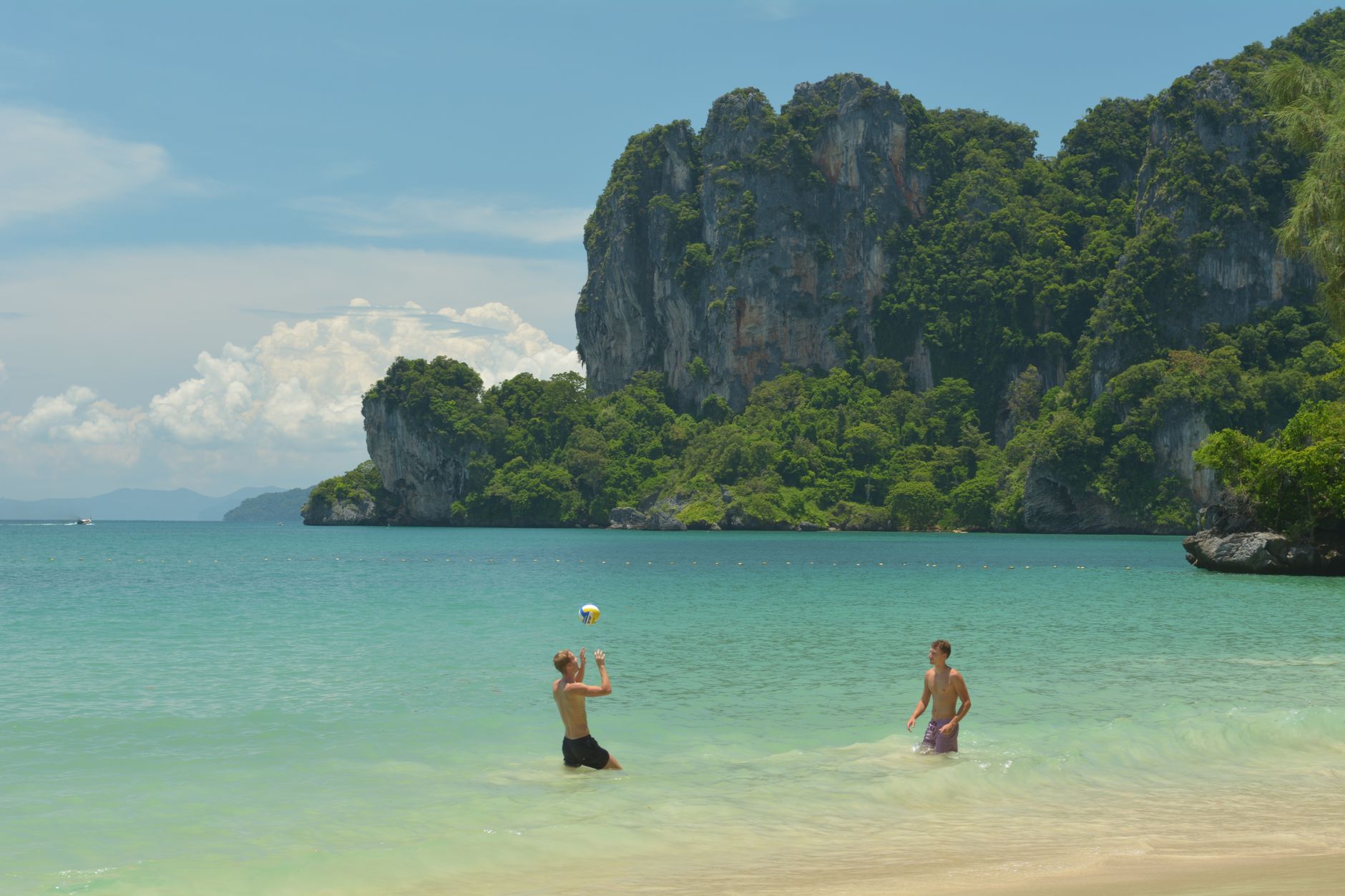
Krabi is often treated as a beach destination with a boat schedule attached, and that framing sells the province short. The limestone karsts, jungle hot springs, and inland waterfalls that define the region sit well beyond the reach of Ao Nang's beachfront, and the difference between seeing them and skipping them usually comes down to one factor: transport. Visitors who stay put in the resort strip experience a fraction of what the province actually offers, while those who move freely discover a landscape that ranks among the most dramatic in southern Thailand.
Distances in Krabi are short but poorly served by public options. Songthaews run fixed routes on fixed hours, rarely reach the inland attractions, and stop early in the evening. A return taxi to a single waterfall can cost more than three days of independent mobility, and hotel-arranged transfers build in a markup on every leg. This is the simple arithmetic that pushes most independent travellers toward a scooter within a day of arriving, and it is why the self-drive segment of the province's visitors has quietly become the majority.
Travellers who rent motorbike krabi for the length of their stay tend to structure the trip around the province rather than around a hotel shuttle. The Tiger Cave Temple sits roughly fifteen minutes from Krabi Town. The Emerald Pool and the nearby hot springs are about an hour inland along a good sealed road. Ao Nang, Ao Nam Mao, and the Nopparat Thara pier all connect on routes that a car handles slowly and a scooter handles easily, turning a series of expensive taxi negotiations into a single flexible day.
The routes worth riding
The inland loop toward the Emerald Pool is the standout ride in the province — a steady, well-surfaced road that winds through rubber plantations and dense forest, with the pool itself a short walk from the parking area. The nearby Klong Thom hot springs, where warm mineral water flows through a series of natural rock pools, pairs naturally with the same trip and is easy to fold into the route.
The Tiger Cave Temple offers a different kind of reward. The 1,200-step climb to the summit is demanding in the heat, so an early start matters, but the panorama over the entire province from the top justifies the effort. Closer to town, the coastal road out to Ao Nam Mao passes quiet longtail piers and beaches that the resort crowd rarely bothers to reach, and the ride itself, hugging the karst-studded coastline, is a highlight in its own right.
Before setting off
Thailand requires a motorcycle-endorsed licence. An International Driving Permit covering category A, carried alongside the home-country licence, satisfies this requirement, while a car-only permit does not — a distinction that checkpoints around Krabi Town and Ao Nang actively look for. Helmets are mandatory, and officers routinely check licence, helmet, and the vehicle registration document, which the rental provider must supply and which should stay with the bike at all times.
Beyond the paperwork, a little planning goes a long way. Ride in the morning when the roads are quiet and the light is good, refuel before heading inland where stations thin out, and treat the wet-season afternoons with respect, as sudden downpours make the mountain roads genuinely slippery. Krabi is inexpensive to explore, and immobility is the only thing that ever makes it feel otherwise.