
Early Childhood Education Program: Building Strong Foundations for Young Learners
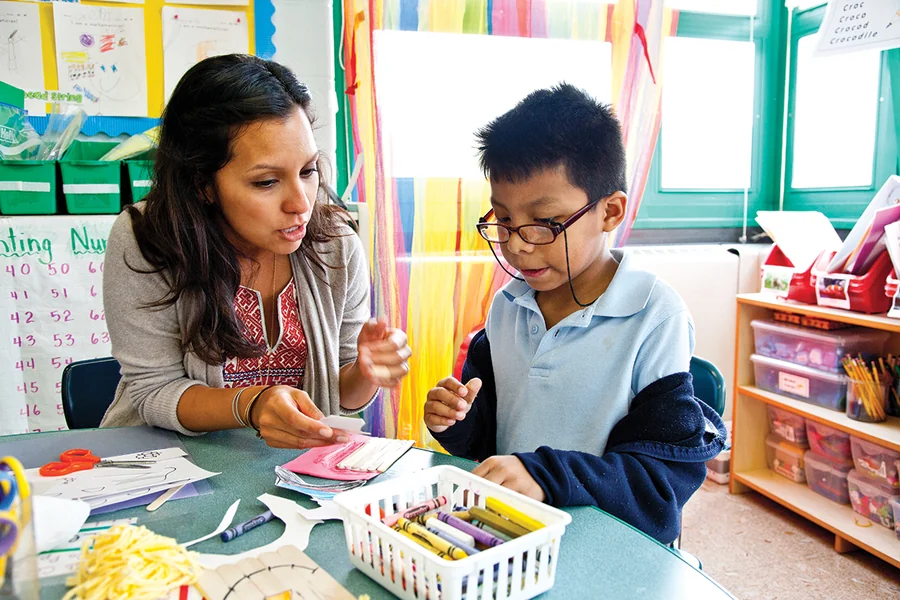
Childhood is a period when a lot of things take place in the life of a child. In these formative years, children acquire language, socialization, emotional insights, and generalized learning practices that will determine their future. An Early Childhood Education Program is structured to facilitate this development by providing the child with structured learning, creative and nurturing environments where the young learners can develop confidence.
Today parents are more concerned with the quality of education that their children get prior to school at the elementary level. Simultaneously, there is an increasing number of students and professionals pursuing careers in early childhood education due to the rising need of teachers and caregivers with qualifications. Regardless of whether a person would like to enroll a child into a preschool program or become a teacher of such small children, it is important to know how these programs operate.
What Is an Early Childhood Education Program?
Early Childhood Education Program concentrates on learning and development of children within the age group of birth and about eight years. These programs are normally provided at preschools, day care centers, kindergartens and educational institutions which train teachers to handle young children.
The aim is not just the academic learning but emotional, physical, and social development. Children acquire knowledge by means of play, narratives, music, arts, socializing in groups and through practical experience. Educators apply age-related approaches that promote curiosity and imagination rather than stress and memorization.
The programs may differ depending on the school and country, although most of them consist of child psychology, classroom management, language development, nutrition, and teaching strategies. Students in teacher training programs are also provided with an opportunity to experience classroom through observation and internships.
Why Early Childhood Education Matters
The development of the brain is critical in early years. Studies have continuously revealed that children with good early-on education tend to do well in later life. They are also more likely to acquire good communication skills as well as healthy social behaviors.
Protective learning atmosphere makes children feel secure and inspired. They get to know about how to relate with others, how to solve simple problems, how to operate by routine and how to express the emotions in healthy ways. Such fundamental capabilities provide a good base to further education.
Another important benefit is confidence building. The children who attend preschool or structured learning programs and activities tend to be well adjusted to the classroom setting before joining the primary school. Such a gradual process is able to decrease anxiety and enhance the learning results.
These programs help families as well. Skilled teachers support parents in their tasks and have knowledge about child development, and are able to assist with early identification of learning needs. Long-term educational success can in most occasions be enhanced by early intervention.
Core Subjects and Skills Covered in the Program
A Program in Early Childhood Education typically comprises both theoretical and practical methods of teaching. The curriculum will enable teachers to appreciate how children develop and learn in their formative years.
One of the most important subjects is child development. Students are taught the ways children develop in physical, emotional, social and intellectual ways at various ages. This understanding assists the teachers to develop appropriate lesson plans and learning activities.
Other key areas of study include communication and language development. Young children acquire vocabulary at a very fast rate, and therefore teachers must have strategies that promote talking, listening, reading and telling stories.
The other important aspect of the program is classroom management. Working with a team of active children is a challenging task which needs patience, organization and creativity. Future teachers are taught the importance of sustaining positive classroom settings and at the same time ensure that the individual learning style is supported.
Creative arts, music, movement, and play-based methods of learning are frequently part of programs. The importance of these activities is that young children learn best when they are actively involved and not through a traditional lecture.
In many courses health and safety training is a part of it as well. Teachers should be familiar with how to construct safe learning environments and how to address physical and emotional needs of children.
Career Opportunities in Early Childhood Education
Early Childhood Education Program may result in a few satisfying career opportunities once graduated. Most graduates opt to work as pre-school teachers, daycare or kindergarten assistants, or administration of childcare facilities.
There are professionals who specialize in working with children whose development is delayed or with special learning needs. Others further their studies and become teachers of the elementary school or specialists in child development.
The number of trained early childhood educators is still on demand in most countries. Parents are becoming aware of the importance of quality preschool education which is generating more jobs to skilled personnel.
The job with young children can be emotionally fulfilling as teachers have the direct influence on instilling confidence and curiosity in children. Teachers usually develop close relationships with the families, and they see significant growth over the years.
Despite the patience and dedication involved in the job, numerous educators take pleasure in assisting children to accomplish significant milestones in their first few years.
Read More: Is Scott’s Cheap Flights Worth It For Travel Junkies
Choosing the Right Early Childhood Education Program
Choosing the appropriate program is significant to the parents and future teachers. There are a number of considerations that must be made prior to making a decision.
One of the initial items to consider is accreditation. Certified programs tend to meet the established standards of education and offer good training. Students must also peruse the curriculum so as to determine whether it incorporates practical teaching experience as well as theoretical courses.
Experience in the classroom is particularly helpful. Those programs, which provide internship or supervised teaching placements, assist students to be more confident prior to their entry to the workforce.
Flexibility is another factor to consider. The majority of institutions have now started providing online or hybrid courses, which enable students to combine education with work or family life.
Teacher qualification, learning methods, classroom size and the safety measures should be considered by parents seeking preschool programs. A visit to the establishment and a chance to see teacher-child interaction may give a good idea about the quality of care and education provided.
The choice might also depend on cost. The amounts of tuition differ according to the institution and location. Other programs may provide a student with a scholarship, financial aid or installment payment.
Modern Trends in Early Childhood Education
Pedagogy of young children is still affected by technology and pedagogical research. Never has it been more apparent that modern early childhood programs are about individualized learning and well being than ever.
The popularity of the play-based learning approach is based on the fact that this method fosters creativity and independent thought. Teachers resort to games, storytelling, sensory activities, and group projects instead of using only worksheets or memorization to ensure that the children are kept entertained.
Social-emotional learning has emerged as a priority as well. Teachers have realized that it is essential to make children learn to understand emotions, empathize, and form healthy relationships at a young age.
Another emerging trend is inclusive education. There are numerous classrooms that are equipped to accommodate children with various cultural backgrounds and abilities to learn. The teachers are also trained to make their environments conducive to all children.
Many programs are careful when using technology. Learning with interactive learning tools and digital aids (including balance with physical activity and face-to-face interaction) can be facilitated.
Preschool education is also approaching a shift towards environmental awareness. It teaches children about such notions as recycling, gardening, and appreciation of nature, with the help of simple activities that promote responsibility and interest.
Challenges Faced by Early Childhood Educators
Although early childhood education is rewarding, there are challenges associated with it. In many cases, teachers are working with classrooms of children with various personalities, energy levels and learning needs.
Patience is needed since young children might not connect very well with communication, emotional regulation or instructions. Teachers should be supportive and calm towards positive behavior guidance.
The other difficulty is that of ensuring that communication with parents is strong. Different families might have varying expectations of discipline, learning style or the level of development. To create trust and collaboration, educators require a high level of communication ability.
Work could also be challenging. It is important to be prepared and take care of planning activities, monitoring child development and keeping the classroom safe at all times.
Regardless of this obstacles, a good number of teachers are still keen on the job due to the long lasting effect they create on the lives of children.
Final Thought
Early Childhood Education Program is a significant influence in the future of young learners. Through these programs, children are offered with safe and encouraging environments in which they can have confidence in, socialize and build social skills and start their educational journey in a positive manner.
To future educators, career opportunities in the field are rewarding and there are possibilities to change lives of children. The role of qualified early childhood professionals is all the more important as the awareness regarding the significance of early learning keeps increasing.
Whether a person is a parent who is seeking to provide the child with the most successful educational foundation or the student who is looking into the prospect of becoming a teacher, a decision about childhood education can bring a lifetime gain.
FAQs
What age group does an Early Childhood Education Program focus on?
Most programs focus on children from birth to around eight years old. This includes infants, toddlers, preschoolers, and early elementary students.
Is early childhood education only about teaching academics?
No. These programs also focus on emotional, social, physical, and cognitive development through interactive and play-based learning.
What qualifications are needed to work in early childhood education?
Requirements vary by country and institution, but many positions require a diploma, certificate, or degree in early childhood education.
Are online Early Childhood Education Programs available?
Yes. Many colleges and universities now offer online or hybrid programs that allow students to complete coursework remotely while gaining practical teaching experience locally.
Why is play important in early childhood education?
Play helps children build creativity, communication skills, problem-solving abilities, and emotional understanding in a natural and engaging way.